

































Elon Musk Suffers Legal Defeat as Court Rejects Lawsuit Against Sam Altman and OpenAI
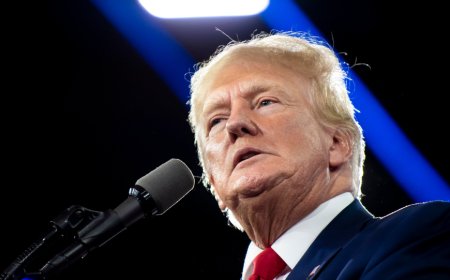
A California court has ruled against Elon Musk in his legal battle with OpenAI and its chief executive Sam Altman. The case centred on claims that OpenAI had abandoned its original non-profit mission in favour of commercial interests.

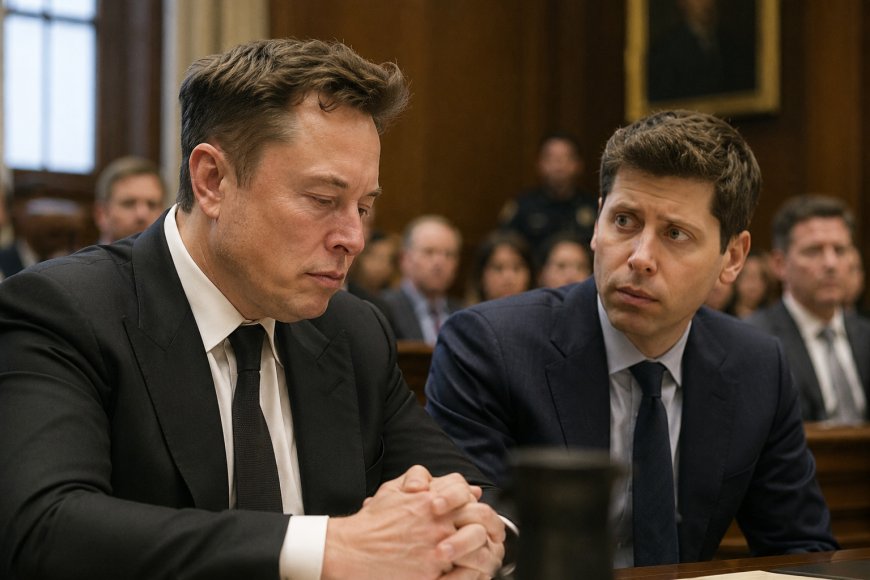
A US court has dealt a significant setback to billionaire entrepreneur Elon Musk after rejecting key claims in his lawsuit against OpenAI and its chief executive Sam Altman.
The ruling, delivered by a federal court in California, marks the latest development in a growing dispute over the future of artificial intelligence and the direction of one of the world’s most influential AI companies.
Musk, who co-founded OpenAI in 2015 before later distancing himself from the organisation, had accused the company of abandoning its original mission of developing artificial intelligence for the benefit of humanity. He argued that OpenAI had transformed from a non-profit research initiative into a commercially driven enterprise closely aligned with major corporate interests.
At the centre of the legal challenge was OpenAI’s partnership with Microsoft, which has invested billions of dollars into the company and integrated OpenAI’s technology into its products and services. Musk claimed that such partnerships contradicted the organisation’s founding principles and gave excessive control over advanced AI systems to private corporations.
Court documents showed that Musk sought legal remedies aimed at limiting OpenAI’s commercial expansion and restructuring parts of its corporate model. However, the court found insufficient legal grounds to support several of the central arguments presented by Musk’s legal team.
The decision was widely viewed as a victory for OpenAI and Sam Altman, who have defended the company’s evolution as necessary to fund increasingly expensive AI research and compete in a rapidly advancing industry. OpenAI has repeatedly argued that large-scale investment is essential to develop safe and powerful artificial intelligence systems.
The legal dispute has attracted global attention because it reflects a broader debate taking place across the technology industry: who should control advanced artificial intelligence, and how should it be governed. Critics of rapid AI commercialisation have warned about the risks of concentrating such powerful technology in the hands of a small number of corporations. Others argue that without substantial private funding, AI development at the highest level would not be possible.
The case also highlighted growing tensions between some of Silicon Valley’s most influential figures. Musk has become increasingly critical of OpenAI in recent years, particularly following the global success of AI systems such as ChatGPT. He has argued that the company’s direction has moved away from transparency and open collaboration.
Meanwhile, OpenAI has continued expanding its commercial operations while positioning itself at the centre of the global AI race. The company’s products are now widely used across industries including education, software development, media and business services.
Legal analysts say the ruling may strengthen OpenAI’s position as it pursues future growth and investment opportunities. However, the dispute is unlikely to end soon. Musk’s legal team has indicated that further appeals remain possible, meaning the broader conflict over AI governance and corporate influence could continue in the courts for years.
The outcome of the case is being closely watched not only in the technology sector but also among regulators and policymakers worldwide, many of whom are struggling to establish rules for the rapidly evolving artificial intelligence industry.
What's Your Reaction?
 Like
0
Like
0
 Dislike
0
Dislike
0
 Love
0
Love
0
 Funny
0
Funny
0
 Angry
0
Angry
0
 Sad
0
Sad
0
 Wow
0
Wow
0