
















Emergency Was a Direct Assault on the Constitution, Says PM Modi on 51st Anniversary of India's Emergency
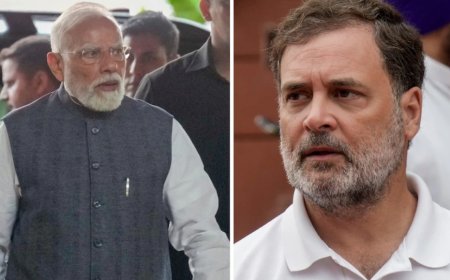
On the 51st anniversary of India's Emergency, Prime Minister Narendra Modi described the 1975-77 period as a direct attack on the Constitution and democratic values. He urged citizens to uphold the principles of freedom, equality and fraternity that form the foundation of Indian democracy.

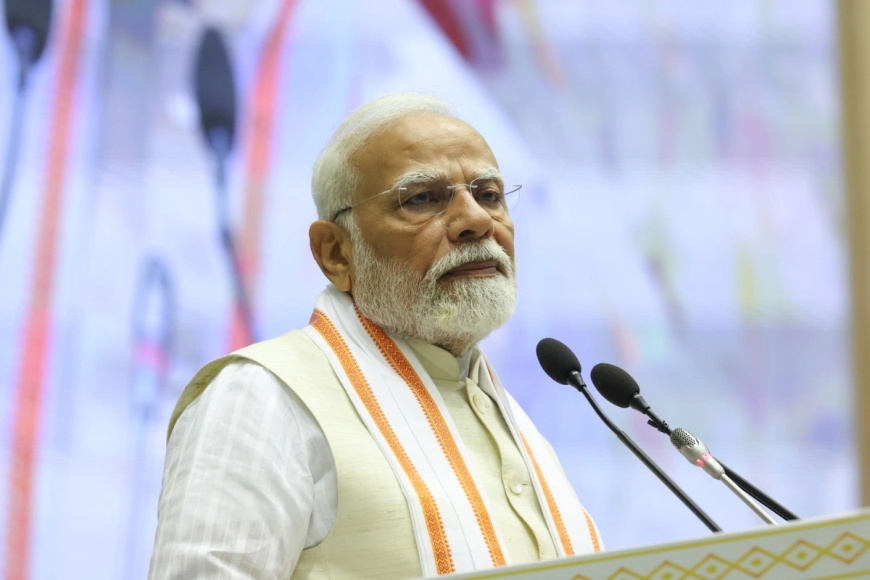
Prime Minister Narendra Modi has described the Emergency imposed in India in 1975 as a "direct assault on the Constitution", using the 51st anniversary of the controversial period to underline the importance of protecting democratic institutions and civil liberties.
In a message marking the anniversary, Mr Modi said the Emergency represented one of the darkest chapters in India's democratic history and urged citizens to remain committed to the constitutional ideals of freedom, equality and fraternity.
The Emergency, imposed on 25 June 1975 by then Prime Minister Indira Gandhi's government, remained in force until March 1977. During that period, civil liberties were suspended, opposition leaders were jailed, and press freedoms were significantly curtailed.
PM Modi's Remarks
Reflecting on the anniversary, Mr Modi said the events of 1975 served as a reminder of the need to safeguard democratic principles and constitutional values.
He paid tribute to those who resisted the Emergency and endured imprisonment and political persecution during the 21-month period. The Prime Minister also emphasized that India's democratic framework is built upon the principles of liberty, equality and fraternity, which must continue to guide the nation.
"The Constitution remains the cornerstone of our democracy," he said, stressing the importance of preserving institutions that protect citizens' rights and freedoms.
A Defining Moment in India's Political History
The Emergency remains one of the most debated periods in modern Indian history. It was declared following political unrest and legal challenges to the government, granting the executive extraordinary powers.
During the period, thousands of opposition activists and political leaders were detained under preventive detention laws. Media organizations faced strict censorship, and public dissent was heavily restricted.
Supporters of the move argued that it brought stability and administrative efficiency at a time of political turmoil. Critics, however, view it as a severe setback for democratic governance and constitutional freedoms.
Political Reactions
The anniversary has once again sparked political debate across India.
Leaders from the ruling Bharatiya Janata Party (BJP) echoed the Prime Minister's criticism of the Emergency, describing it as a warning against the concentration of power and the erosion of democratic safeguards.
Opposition parties, while acknowledging the historical significance of the period, accused the government of using the anniversary for political messaging. Some leaders argued that democratic institutions must be protected irrespective of which party is in power.
Why the Emergency Still Matters
More than five decades later, the Emergency continues to shape discussions about governance, civil liberties and constitutional accountability in India.
Political historians note that the period serves as a reminder of the importance of independent institutions, a free press and judicial oversight in maintaining democratic balance.
For many Indians, the anniversary is not only a reflection on a controversial chapter of history but also an opportunity to reaffirm faith in democratic values and constitutional rights.
As India marks 51 years since the Emergency was imposed, the debate over its legacy remains alive, underscoring its enduring impact on the country's political and democratic evolution.
What's Your Reaction?
 Like
0
Like
0
 Dislike
0
Dislike
0
 Love
0
Love
0
 Funny
0
Funny
0
 Angry
0
Angry
0
 Sad
0
Sad
0
 Wow
0
Wow
0