


































EU Revises 2035 Combustion Car Ban Amid Industry Pressure and Climate Concerns
The EU is reconsidering its 2035 ban on new petrol and diesel cars under pressure from automakers, balancing industrial competitiveness with climate goals. Learn about proposed changes and implications.

In a major shift in European climate and industrial policy, the European Commission is preparing to revise or effectively reverse the European Union’s planned ban on the sale of new petrol and diesel cars from 2035. The move comes after intense lobbying from major automakers and key EU member states, raising serious questions about the bloc’s climate commitments and the future of transport decarbonization.
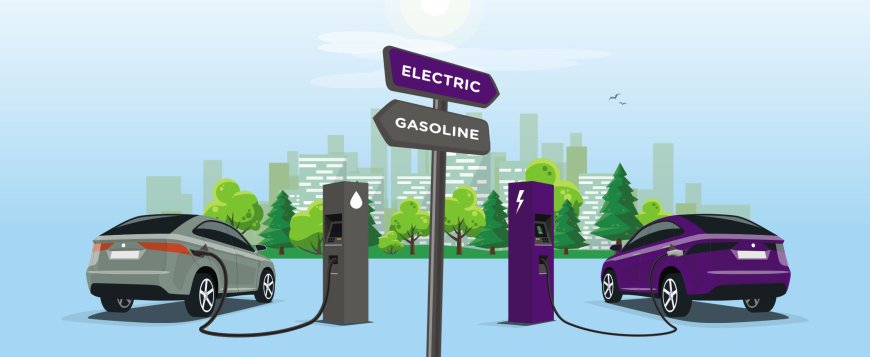
Under the original 2035 rule, all new cars sold in the EU must have zero CO₂ emissions—a regulation that would essentially end sales of conventional internal combustion engine (ICE) vehicles. Now, the Commission is expected to water down the rule by allowing continued sales of vehicles that do not strictly meet zero emissions—such as advanced hybrids and vehicles powered by alternative fuels—or delay the timeline altogether.
Why the Change Is Happening: Rebalancing Industry and Climate Goals
The shift reflects mounting pressure from European automakers and political leaders in countries with large car industries—particularly Germany and Italy—who argue that the strict 2035 timeline threatens jobs, competitiveness, and industrial viability.
Major legacy manufacturers like Volkswagen, BMW, Mercedes‑Benz, and Stellantis have maintained that the rapid phase‑out of combustion engines would strain production capacity, exacerbate competition from Chinese and U.S. electric vehicle (EV) manufacturers, and overwhelm consumers and infrastructure that are not yet fully ready for broad electrification.
Germany’s Chancellor and industry representatives specifically pushed the Commission for policy flexibility—including continued sales of plug‑in hybrids or “highly efficient” combustion vehicles and the use of e‑fuels as part of the compliance toolkit.
The result appears to be a proposal that weakens the outright ban and substitutes it with emissions reduction targets (e.g., a 90% cut instead of 100% by 2035) and greater technological options.
To offset the industry concessions, Brussels is rolling out measures to promote electric mobility, such as incentives for small EVs and support for corporate EV fleets—including a new “Made in Europe” vehicle category with special benefits for compact EVs.
Climate and Policy Implications
Climate Goals Under Strain
Transport is a significant source of greenhouse gas emissions in the EU—making up roughly 20–25% of CO₂ emissions—and road transport emissions have been stubbornly rising even as other sectors decarbonize.
The original 2035 ban was considered one of the cornerstones of the EU’s climate strategy, designed to accelerate EV adoption and reduce dependence on fossil fuels. Analysts warn that diluting the policy could slow the shift away from combustion engines and lead to higher cumulative emissions than under the previous pathway.
Environmental advocates argue that delaying strict regulation undermines the credibility of the EU’s broader Green Deal targets, which aim to cut emissions sharply by 2030 and achieve net‑zero well before mid‑century. Opponents also stress that reliance on alternatives like biofuels or e‑fuels does not match the emission savings delivered by electrification with clean energy.
Economic and Industrial Considerations
Proponents of the policy rethink point to economic competitiveness and jobs. Europe’s traditional car industry remains a key employer and export engine, particularly in Germany and Italy. They argue that a strict 2035 ban could lead to factory closures or loss of market share to rivals with looser or more pragmatic rules.
There are also infrastructure concerns: EV charging networks and grid capacity vary widely across the EU, with gaps that could make a sharp transition disruptive for consumers and fleets—especially in rural areas.
Industry Divides and EU Member States’ Positions
While many traditional automakers and politically influential member states push for flexibility, electric‑focused manufacturers and environmental groups strongly oppose weakening the 2035 deadline.
Swedish brands like Volvo and Polestar insist the original ban is essential to meet climate commitments and maintain regulatory clarity, arguing that backtracking will undercut investments in electrification and give China a further technological lead
Meanwhile, countries such as Spain have publicly urged the Commission to maintain strict 2035 targets, warning that weakening them could delay modernization and reduce incentives for green investments.
The European Commission’s formal proposal is expected imminently, and it could redraw the bloc’s emissions policy for the next decade. Lawmakers and climate advocates will be watching how the EU balances industrial competitiveness with environmental ambition—a challenge that goes to the heart of its climate leadership role.
What's Your Reaction?
 Like
0
Like
0
 Dislike
0
Dislike
0
 Love
0
Love
0
 Funny
0
Funny
0
 Angry
0
Angry
0
 Sad
0
Sad
0
 Wow
0
Wow
0