




















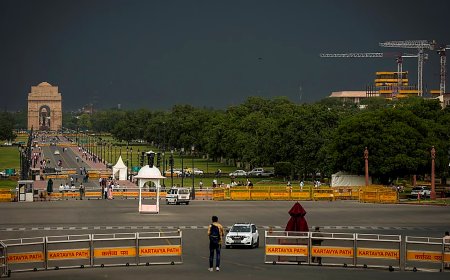











Iran Strikes Four Key US-Linked Locations, Launches Missile Barrage Toward Bahrain, Kuwait and Jordan Amid Escalating Conflict
The conflict between Iran and the United States has intensified after Tehran launched missile attacks targeting multiple US-linked military locations across the Middle East. Missiles were reportedly fired toward Bahrain, Kuwait, Jordan, and strategic American facilities, significantly raising fears of a wider regional war and prompting heightened security across the Gulf.

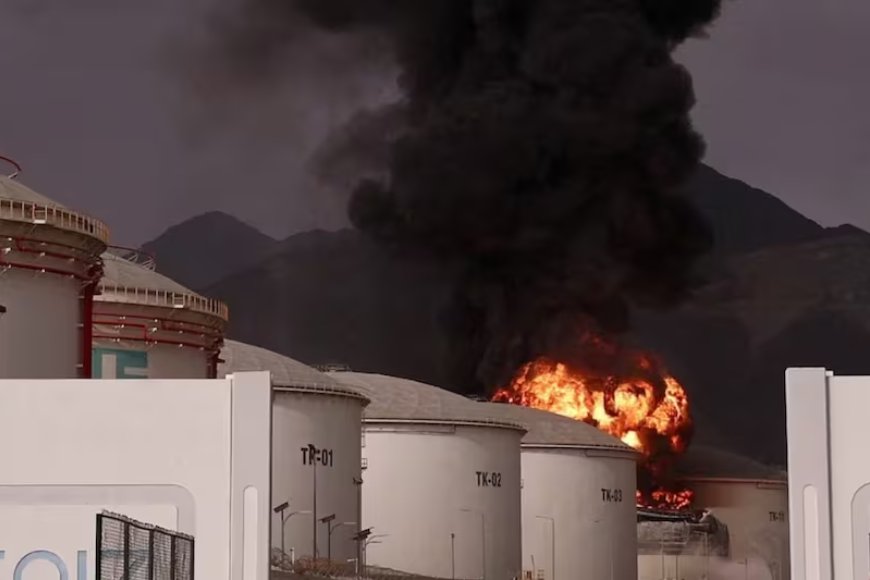
The ongoing confrontation between Iran and the United States has reached another dangerous milestone after Tehran reportedly launched a series of missile strikes targeting multiple locations associated with the US military presence in the Middle East. The attacks, which reportedly involved missiles fired toward Bahrain, Kuwait, Jordan, and other strategic locations connected to American military operations, have dramatically escalated regional tensions. The latest developments have intensified fears of a broader conflict that could destabilize the Gulf region, disrupt global energy markets, and draw additional countries into the crisis.
According to reports, Iran's latest military response came after recent US airstrikes targeting Iranian military infrastructure and strategic assets. Iranian officials described the missile launches as a defensive response intended to demonstrate that Tehran would not remain silent following attacks on its territory and military installations. Although the full extent of the damage remains under assessment, the strikes have triggered high-alert security measures across several Gulf nations hosting American military facilities.
One of the primary locations linked to the latest developments is Bahrain, home to the headquarters of the United States Navy's Fifth Fleet. The base serves as one of Washington's most important military installations in the Gulf, overseeing maritime security operations across the Persian Gulf, the Arabian Sea, and surrounding waters. Any threat directed toward Bahrain immediately raises concerns regarding naval operations, commercial shipping, and the safety of international trade routes.
Kuwait also remains strategically significant because it hosts several major US military installations, including logistics hubs and operational command centers supporting American forces across the Middle East. Reports of missile activity toward the region prompted local authorities to activate emergency response mechanisms while regional defense systems remained on high alert. Although officials continue to evaluate the situation, military experts believe Kuwait remains one of the most critical logistical centers for US operations in the region.
Another reported target area was Jordan, a close American ally that plays an important role in regional counterterrorism operations and intelligence cooperation. Jordan hosts military facilities used by US forces for training, logistics, and regional coordination. Any military activity affecting Jordan significantly increases concerns about the conflict expanding beyond the Gulf and involving additional regional partners.
Apart from these countries, reports also highlighted heightened military activity around Qeshm Island, Bandar Abbas, and Chabahar, locations that hold strategic importance for Iran's naval operations and maritime security. Bandar Abbas serves as one of Iran's largest naval bases and commercial ports, while Qeshm Island occupies a highly strategic position near the Strait of Hormuz. Chabahar, located along Iran's southeastern coast, is another major port that plays a crucial role in regional trade and military logistics. The growing military activity around these locations reflects the strategic importance both sides attach to controlling maritime access in one of the world's most sensitive waterways.
Military analysts believe the latest missile launches represent a calibrated show of force rather than an attempt to trigger an all-out regional war. Iran has historically relied on ballistic missiles, drones, and proxy groups to project military influence across the Middle East while avoiding direct large-scale conventional conflict. However, every new exchange between Tehran and Washington increases the possibility of miscalculation, which could rapidly escalate into a much broader confrontation involving several countries.
The United States has not ruled out additional military responses if its personnel or facilities come under further attack. Pentagon officials continue monitoring developments closely while coordinating with allies across the region. Additional air defense systems have reportedly been placed on heightened readiness to intercept potential missile threats. American officials have also reiterated that protecting US forces stationed overseas remains their highest priority and warned that any future attacks would receive an appropriate response.
The escalating confrontation has placed Gulf nations in an increasingly difficult position. Countries such as Bahrain, Kuwait, Qatar, Saudi Arabia, and the United Arab Emirates maintain close security partnerships with Washington while simultaneously seeking regional stability to protect their economies and energy infrastructure. Any prolonged military conflict threatens not only regional security but also global oil supplies, maritime trade, and investor confidence.
One of the world's greatest concerns remains the Strait of Hormuz, through which nearly one-fifth of globally traded crude oil passes every day. Any disruption in this narrow waterway could immediately affect international energy prices and shipping operations. Financial markets have already responded cautiously to reports of renewed military escalation, with analysts warning that prolonged instability could push oil prices higher and contribute to inflationary pressures worldwide.
International leaders have called for immediate restraint from both Washington and Tehran. Several governments have urged diplomatic engagement to prevent further escalation and reduce the risk of civilian casualties. The United Nations and multiple regional organizations continue encouraging dialogue while emphasizing the importance of respecting international law and avoiding actions that could widen the conflict.
Defense experts also warn that modern conflicts in the Middle East increasingly involve cyber warfare, drones, missile systems, intelligence operations, and proxy organizations, making them significantly more unpredictable than traditional military confrontations. Even limited strikes can trigger rapid retaliation across multiple countries, complicating diplomatic efforts to restore stability.
The humanitarian implications of an expanded conflict remain equally concerning. Previous regional wars have displaced millions of civilians, disrupted healthcare systems, damaged infrastructure, and severely affected economic activity. Aid organizations continue preparing contingency plans should hostilities spread further across neighboring countries.
Diplomatic observers believe the coming days will be critical in determining whether the latest missile attacks remain limited or evolve into a wider military confrontation. Both Iran and the United States continue signaling military readiness while leaving limited room for diplomatic engagement. Regional governments are expected to intensify mediation efforts aimed at preventing further escalation.
For now, the Middle East remains on edge as military forces across the region remain on high alert. Governments, financial markets, energy companies, and international organizations are closely monitoring every development, recognizing that even a single miscalculation could significantly alter the regional security landscape. Whether the crisis moves toward renewed diplomacy or deeper confrontation will depend on decisions made in Washington, Tehran, and the capitals of key regional allies over the coming days.
What's Your Reaction?
 Like
0
Like
0
 Dislike
0
Dislike
0
 Love
0
Love
0
 Funny
0
Funny
0
 Angry
0
Angry
0
 Sad
0
Sad
0
 Wow
0
Wow
0