



























Mohammed bin Salman’s Geopolitical Comeback: F-35 Deal and US Relations Reset
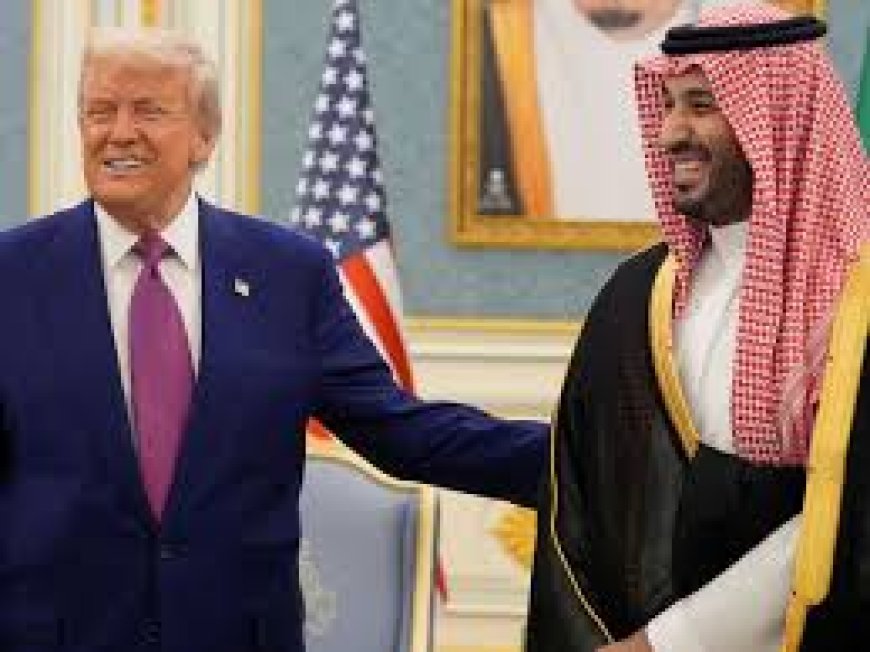
Seven years after Crown Prince Mohammed bin Salman (MBS) of Saudi Arabia was effectively marginalized in Washington following the brutal murder of Saudi journalist Jamal Khashoggi, the de facto leader of the kingdom returned to the US in a dramatic political rehabilitation. His visit on Tuesday underscored the astounding geopolitical restoration of one of the most powerful figures in the Middle East.

A Strategic Reentry into Washington
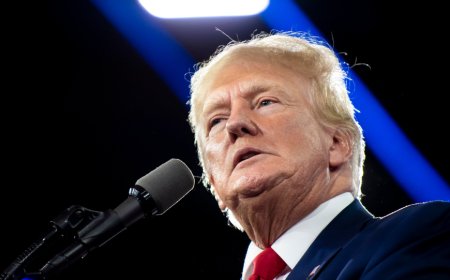
Once dismissed by the Biden administration as a “pariah,” MBS now sits squarely at the center of efforts by former President Donald Trump to reshape the Middle East. Analysts describe this as one of the most remarkable comebacks in modern diplomatic history, signaling not only a personal restoration but also a strategic recalibration of US-Saudi relations.
During the visit, MBS reportedly secured a commitment from the Trump administration for F-35 stealth fighter jets, despite opposition from Israel. At the same time, he managed to defer discussions on sensitive issues concerning Saudi Arabia, potentially postponing major policy debates for years.
“This is diplomacy on his terms,” said a Middle East expert. “He leveraged his strategic importance, oil influence, and regional position to reset relations without yielding to the traditional pressures or criticism that once defined his interactions with Washington.”
From Isolation to Influence
The Crown Prince’s transformation from international outcast to central player highlights Saudi Arabia’s growing strategic leverage. With the kingdom being the largest Arab state and one of the wealthiest in the region, MBS has used this position to negotiate deals that extend beyond traditional alliances. The F-35 commitment represents not just military cooperation but also a symbolic validation of his leadership and vision.
Observers note that this visit reflects a broader shift in US foreign policy priorities, where pragmatic engagement with powerful regional actors often takes precedence over moral or human rights considerations. MBS’ ability to secure concessions and defer contentious topics demonstrates his astute geopolitical maneuvering.
Regional and Global Implications
MBS’ return to favor in Washington has ripple effects across the Middle East:
· Israel-Saudi relations: The F-35 deal proceeded despite Israeli objections, highlighting Saudi Arabia’s growing leverage in regional security matters.
· US-Saudi energy and defense ties: By emphasizing strategic partnership, MBS strengthens Saudi Arabia’s role as a key partner in energy security and defense technology.
· Global perception: The visit signals that geopolitical clout can, in certain cases, outweigh prior diplomatic scandals, a message not lost on other regional leaders.
What's Your Reaction?
 Like
0
Like
0
 Dislike
0
Dislike
0
 Love
0
Love
0
 Funny
0
Funny
0
 Angry
0
Angry
0
 Sad
0
Sad
0
 Wow
0
Wow
0