















Protests Intensify in PoK as JAAC Deadline Ends: Will Pakistan Army Chief Asim Munir Bow to Public Pressure?
Tensions remain high in Pakistan-occupied Kashmir (PoK) as the Joint Awami Action Committee (JAAC) presses ahead with its agitation after the expiry of its deadline to Islamabad. With protesters demanding political reforms and greater autonomy, all eyes are on how Pakistan's government and Army Chief Asim Munir respond.

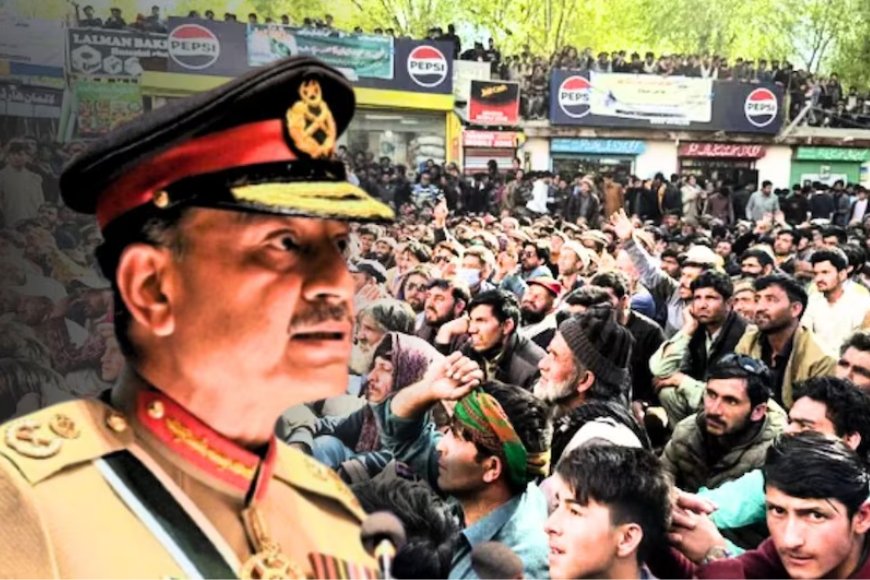
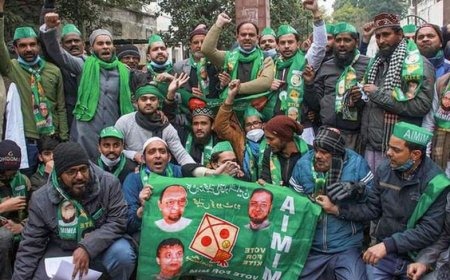
Political uncertainty continues to grip Pakistan-occupied Kashmir (PoK) as the deadline set by the Jammu Kashmir Joint Awami Action Committee (JAAC) for the Pakistan government has expired, raising fresh concerns over the possibility of renewed confrontation between protesters and security forces. Thousands of demonstrators have remained mobilized across several towns, demanding political reforms, greater autonomy, and implementation of a broad charter of demands, while Islamabad faces mounting pressure to prevent another round of violence.
The latest phase of the agitation comes after weeks of protests, shutdowns, and clashes that have already left several people dead and many others injured. JAAC had earlier suspended its proposed "Long March" toward Muzaffarabad after negotiations with the Pakistan government, giving Islamabad until July 21 to begin implementing its commitments. Protest leaders warned that failure to act within the deadline could trigger another large-scale movement across the region.
The demonstrations are being led by the JAAC, a coalition representing traders, transporters, lawyers, students, and civil society groups. The organization has been demanding constitutional and administrative reforms, improved political representation, greater regional autonomy, the release of detained activists, and accountability for those killed during previous security operations. Protesters argue that successive governments have failed to address longstanding grievances despite repeated assurances.
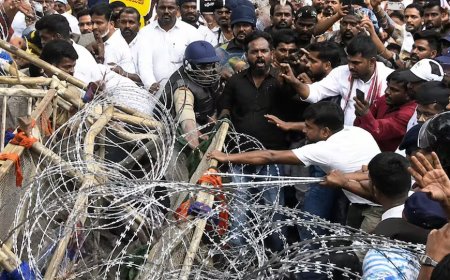
As the deadline ended, reports indicated that protesters remained determined to continue their campaign if visible progress was not made. Large gatherings were reported in several areas despite heightened security, while organizers reiterated that their movement was intended to remain peaceful. Authorities, however, have continued deploying additional security personnel in sensitive locations to prevent fresh unrest.
The current unrest follows a violent phase earlier this month in which clashes between protesters and security forces resulted in multiple deaths. According to official accounts, confrontations broke out after demonstrators blocked roads and security personnel attempted to disperse crowds. Protest groups, however, accused authorities of using excessive force against civilians.
The growing agitation has placed Pakistan Prime Minister Shehbaz Sharif's government under increasing pressure to find a political solution while maintaining law and order. At the same time, Pakistan Army Chief Field Marshal Asim Munir faces scrutiny over how the country's security establishment responds to continuing protests in a strategically sensitive region.
Political analysts believe Islamabad is attempting to avoid another violent confrontation similar to previous episodes that attracted international attention. The decision to hold negotiations and temporarily halt the Long March reflected an effort to reduce tensions while allowing both sides time to pursue dialogue. However, with the agreed deadline now over, uncertainty has returned over the next course of action.
For many residents, the protests extend beyond immediate political issues. Participants have repeatedly highlighted concerns about governance, economic development, public services, employment opportunities, and local representation. Demonstrators argue that meaningful reforms are necessary to improve living conditions and strengthen public confidence in regional institutions.
Security has meanwhile been tightened across several districts. Checkpoints, additional police deployments, and restrictions on public movement have been reported in sensitive areas as authorities prepare for the possibility of renewed demonstrations. Officials have appealed for calm while encouraging continued dialogue between protest leaders and government representatives.
The developments have also attracted wider regional attention because of the strategic significance of Pakistan-administered Kashmir. Any prolonged instability in the region carries political, security, and diplomatic implications for Pakistan, particularly as domestic economic challenges continue to place additional pressure on the government.
Observers note that previous protest movements in the region have occasionally resulted in negotiated settlements. In earlier demonstrations, governments announced financial packages and policy concessions after sustained public pressure. Whether a similar compromise emerges this time remains uncertain, as many protesters insist that structural political reforms—not only economic relief—are required.
Despite the heightened rhetoric, both the government and protest organizers have publicly indicated that dialogue remains preferable to confrontation. JAAC leaders have maintained that they are willing to continue negotiations if concrete steps are taken toward implementing agreed commitments. Government officials have similarly expressed support for peaceful engagement while warning against violence or disruption of public order.
The situation also highlights broader political challenges facing Pakistan. Alongside economic pressures and domestic political tensions, the government must now manage growing public dissatisfaction in a region where governance issues have become increasingly prominent. Analysts believe that the handling of the current protests could influence public confidence in Islamabad's ability to resolve regional disputes through dialogue.
For Pakistan's military leadership, maintaining stability without escalating tensions remains a delicate balancing act. Any heavy-handed security response risks intensifying criticism, while prolonged negotiations without visible outcomes could encourage further demonstrations.
As of now, there has been no official announcement indicating that all of JAAC's demands have been accepted. Protest leaders continue to insist that implementation—not merely promises—will determine their future course of action. Likewise, government representatives have emphasized that discussions remain ongoing and that efforts to reach a lasting settlement continue.
With the deadline having passed, the coming days are expected to be crucial. Whether Islamabad offers fresh concessions, resumes negotiations, or adopts stricter administrative measures will shape the next phase of the movement. For now, the atmosphere across Pakistan-occupied Kashmir remains tense, with protesters maintaining pressure and authorities working to prevent another escalation.
What's Your Reaction?
 Like
0
Like
0
 Dislike
0
Dislike
0
 Love
0
Love
0
 Funny
0
Funny
0
 Angry
0
Angry
0
 Sad
0
Sad
0
 Wow
0
Wow
0