






























Energy Shockwave: Stock Markets Drop Amid Rising Oil Price
Global financial markets tumbled on 31 March 2026 as a deepening energy crisis—triggered by escalating tensions in the Middle East—sent shockwaves across equities, bonds, and currencies worldwide. The sharp rise in crude oil prices has intensified fears of inflation, slowing growth, and a potential global recession.

At the heart of the الأزمة lies the conflict involving Iran and growing instability around the strategically critical Strait of Hormuz. With nearly 20% of the world’s oil supply passing through this narrow route, any disruption has immediate and far-reaching consequences for global energy markets.
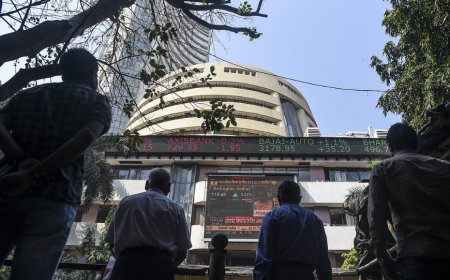
Markets Slide Across Continents
Stock markets across Asia and Europe recorded significant losses, while U.S. futures pointed to continued declines. Investors are pulling money out of equities and shifting toward safer assets such as gold and the U.S. dollar, reflecting a classic “risk-off” sentiment.
Sectors heavily dependent on fuel—such as aviation, logistics, and manufacturing—have been hit the hardest, as rising energy costs threaten profit margins and consumer demand.
Oil Prices Drive Economic Anxiety
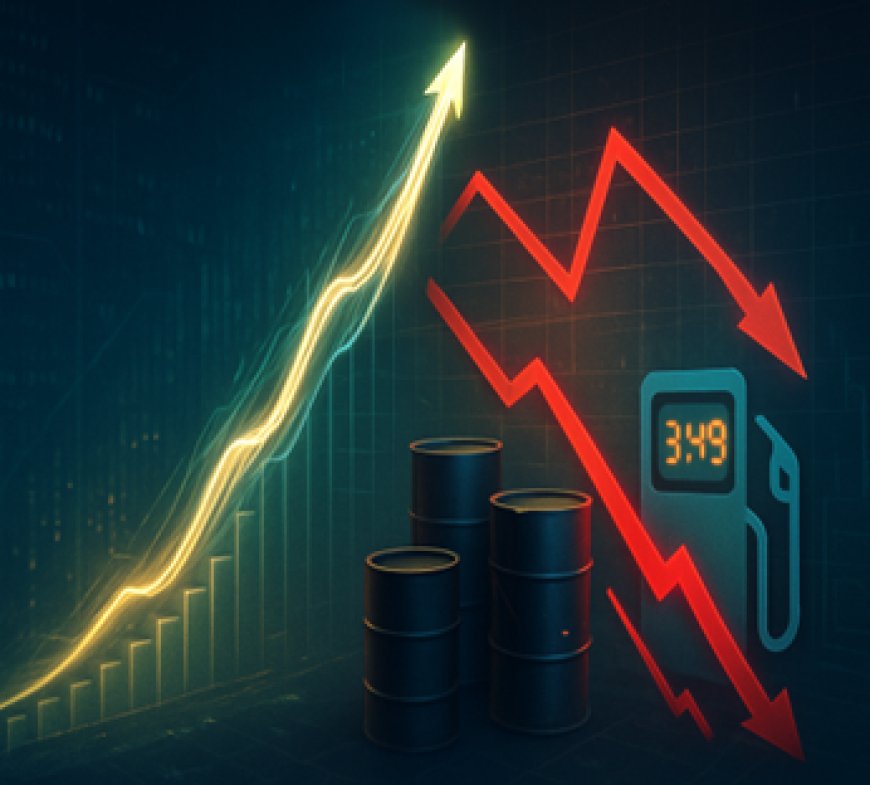
The surge in crude oil prices, which have climbed above $100 per barrel, is the primary catalyst behind the market downturn. Higher energy costs are feeding directly into inflation, raising the price of transportation, food, and essential goods.
Analysts warn that if prices continue to rise, central banks may be forced to delay interest rate cuts or even tighten monetary policy further—just as global growth begins to weaken.
Stagflation Fears Return
Economists are increasingly warning of a stagflation scenario—a combination of high inflation and stagnant growth—reminiscent of past global economic crises. The current environment presents a difficult challenge for policymakers, who must balance controlling inflation with supporting economic activity.
Global Impact Widens
Emerging markets, particularly those dependent on oil imports, are facing mounting pressure as currencies weaken and import bills rise. Meanwhile, developed economies are grappling with renewed uncertainty after months of relative stability.
Even resilient economies such as China are not immune, as higher energy prices threaten to disrupt industrial output and trade momentum.
Conclusion
The ongoing energy crisis has once again demonstrated the fragile link between geopolitics and global finance. As tensions persist around the Strait of Hormuz and uncertainty continues to dominate headlines, markets are likely to remain volatile.
For now, investors and policymakers alike are bracing for a prolonged period of instability—where energy prices, rather than economic fundamentals alone, dictate the direction of global markets.
What's Your Reaction?
 Like
0
Like
0
 Dislike
0
Dislike
0
 Love
0
Love
0
 Funny
0
Funny
0
 Angry
0
Angry
0
 Sad
0
Sad
0
 Wow
0
Wow
0