
































Office Culture vs WFH: India’s Business Leaders Share Strong Views
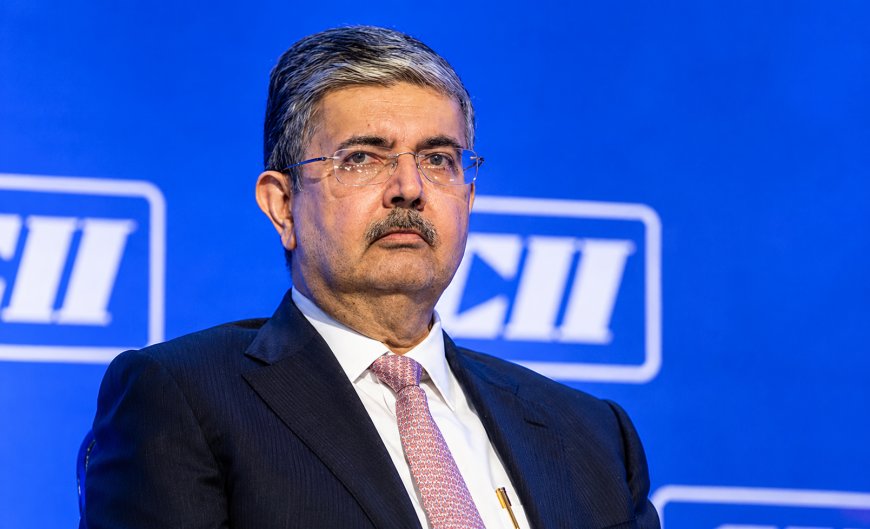
India’s top business leaders are once again divided over the future of Work From Home (WFH), as banking veteran Uday Kotak urged companies to stay prepared for a difficult global economic environment.

The debate over Work From Home (WFH) versus traditional office culture has once again become a major topic across corporate India, with leading industrialists and business executives expressing sharply different opinions on how employees should work in the future.
After the pandemic transformed workplace culture globally, many Indian companies adopted hybrid and remote working models. However, as businesses return to normal operations, the question of whether employees should work from home or return fully to offices has divided industry leaders.
Several top executives believe office culture remains essential for innovation, collaboration, and building strong company values. They argue that face-to-face interaction improves teamwork, faster decision-making, employee discipline, and mentorship opportunities for younger professionals.
On the other hand, many business leaders continue supporting flexible work models, saying remote work has increased productivity, improved work-life balance, and reduced unnecessary operational costs for companies. Technology and digital communication tools have made remote collaboration easier than ever before.
Veteran banker Uday Kotak recently added fresh momentum to the debate by warning companies to remain prepared for a difficult global economic environment. He emphasized that businesses should stay adaptable and resilient as geopolitical tensions and global market uncertainties continue to rise.
Industry experts say the future of work may not follow a single model. Instead, companies are increasingly moving toward hybrid systems where employees divide time between offices and remote locations depending on job requirements.
Technology firms, startups, consulting companies, and digital businesses have largely embraced flexible work arrangements, while sectors such as manufacturing, banking operations, and traditional corporate management still prefer stronger office presence.
Employees, especially younger professionals, continue to prioritize flexibility while choosing jobs. Many workers now view hybrid work options as an important factor for job satisfaction and mental well-being.
At the same time, some companies have started calling employees back to offices, citing concerns over productivity, organizational culture, and communication gaps created by prolonged remote work.
Analysts believe the WFH debate is no longer just about convenience but also about economic efficiency, employee expectations, and the evolving future of corporate India. As businesses adapt to changing global realities, the balance between flexibility and workplace collaboration is expected to shape India’s work culture for years ahead.
What's Your Reaction?
 Like
0
Like
0
 Dislike
0
Dislike
0
 Love
0
Love
0
 Funny
0
Funny
0
 Angry
0
Angry
0
 Sad
0
Sad
0
 Wow
0
Wow
0