





















From Venezuela to the World: How U.S. Aggression Is Reshaping Global Power Politics
An in-depth analysis of how U.S. aggression toward Venezuela under Donald Trump weakened global norms, empowered rival powers, and accelerated the shift toward a multipolar world order.

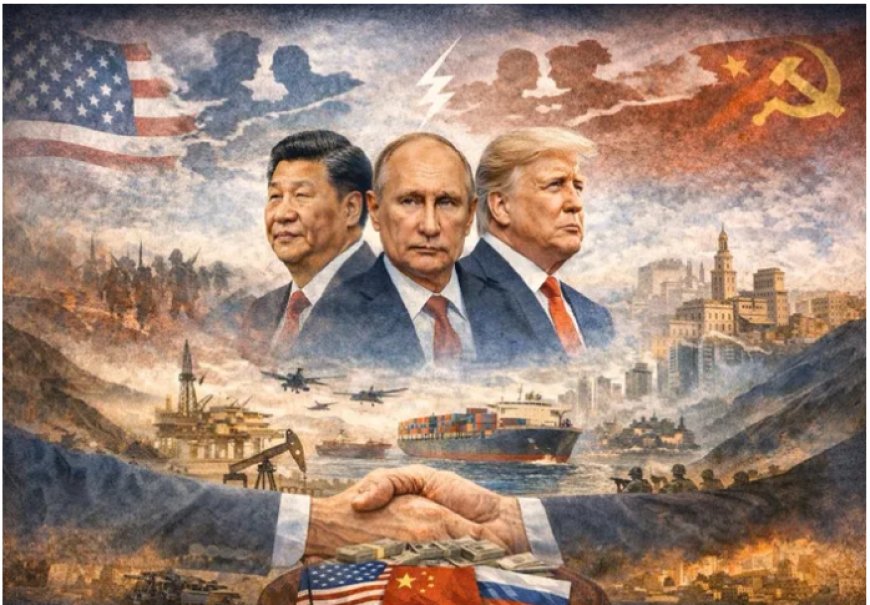
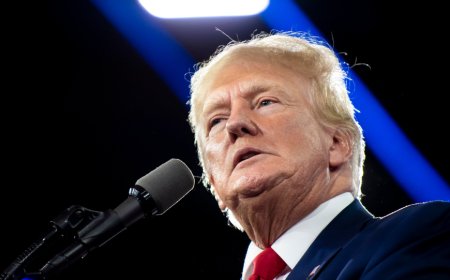
In recent years, global geopolitics has entered a period of deep uncertainty, marked by rising conflicts, assertive nationalism, and weakening international norms. One important but often overlooked contributor to this shift has been the aggressive foreign policy posture of the United States under former President Donald Trump, particularly toward countries like Venezuela. While the immediate focus was regime change in Caracas, the broader consequences have been far more global — potentially giving other powerful nations greater freedom to act and accelerating the transition toward a new world order.
Trump’s Venezuela Policy: A Break from Convention
The Trump administration adopted a confrontational approach toward Venezuela that included crippling economic sanctions, diplomatic isolation, open support for regime change, and repeated statements suggesting that military options were possible. Unlike previous U.S. interventions that were often framed through multilateral institutions, this policy relied heavily on unilateral pressure and coercion.
While the strategy failed to remove President Nicolás Maduro from power, it sent a powerful message to the world: the United States was willing to bypass international consensus and challenge sovereignty when it suited its interests.
The Global Signal: Power Over Rules
International politics operates as much on precedent as on policy. When the world’s most powerful country acts aggressively without clear legal or multilateral backing, it weakens the norms it once enforced. Other major powers quickly take note.
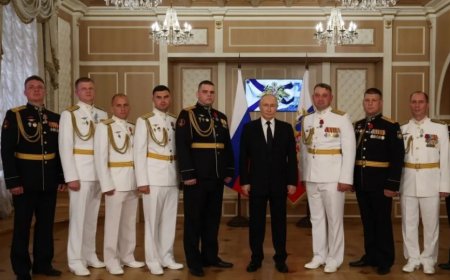
Russia has repeatedly cited Western interventions to justify its own actions, arguing that sovereignty has become conditional.
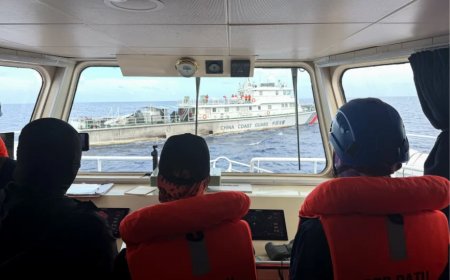
China has grown more assertive in its near abroad, promoting a world where influence, not universal rules, determines outcomes.
Regional powers such as Turkey, Iran, and Saudi Arabia have expanded cross-border influence with fewer concerns about Western criticism.
The underlying lesson is clear: if power allows rule-breaking, restraint becomes optional.
The Credibility Problem
A critical flaw in Trump’s aggressive stance toward Venezuela was the gap between rhetoric and results. Despite harsh sanctions and strong language, the U.S. stopped short of decisive action. Maduro remained in control, and Venezuelan civilians bore much of the economic pain.
This inconsistency weakened U.S. credibility. When threats are not enforced, deterrence erodes. Other states may begin to believe that U.S. red lines are flexible, temporary, or politically constrained — a perception that encourages risk-taking elsewhere.
Is This the Birth of a New World Order?
Rather than a sudden shift, what we are witnessing is a gradual transition. The post-Cold War unipolar moment — dominated by U.S. economic, military, and ideological power — is fading. In its place is a multipolar system, where several major and regional powers compete for influence.
Trump’s foreign policy did not create this shift, but it accelerated it by undermining the idea that the global system is governed by shared rules rather than raw power.
Why This Matters
A world where major powers feel emboldened to act without restraint is inherently unstable. Smaller nations become more vulnerable, international institutions lose relevance, and conflicts are more likely to escalate. While this does not guarantee a global war, it increases the likelihood of regional conflicts, proxy wars, and prolonged instability.
The case of Venezuela shows that even when aggression does not lead to war, the precedent it sets can reshape global behavior.
Trump’s aggressive approach toward Venezuela was more than a regional policy failure — it was a signal that reverberated across the international system. By prioritizing forceful pressure over cooperative diplomacy, the United States weakened the very norms that once underpinned global order.
As power becomes more distributed and rules more contested, the world is entering a volatile phase where influence often outweighs principle. History suggests that such transitions are rarely peaceful. The challenge for today’s leaders is not to dominate this changing order, but to prevent it from descending into chaos.
What's Your Reaction?
 Like
0
Like
0
 Dislike
0
Dislike
0
 Love
0
Love
0
 Funny
0
Funny
0
 Angry
0
Angry
0
 Sad
0
Sad
0
 Wow
0
Wow
0