













Starbucks Korea Removes CEO After Backlash Over ‘Tank Day’ Campaign Sparks Public Outrage
Starbucks Korea has dismissed its chief executive following widespread criticism over a controversial “Tank Day” promotional campaign that triggered accusations of insensitivity and poor corporate judgment.

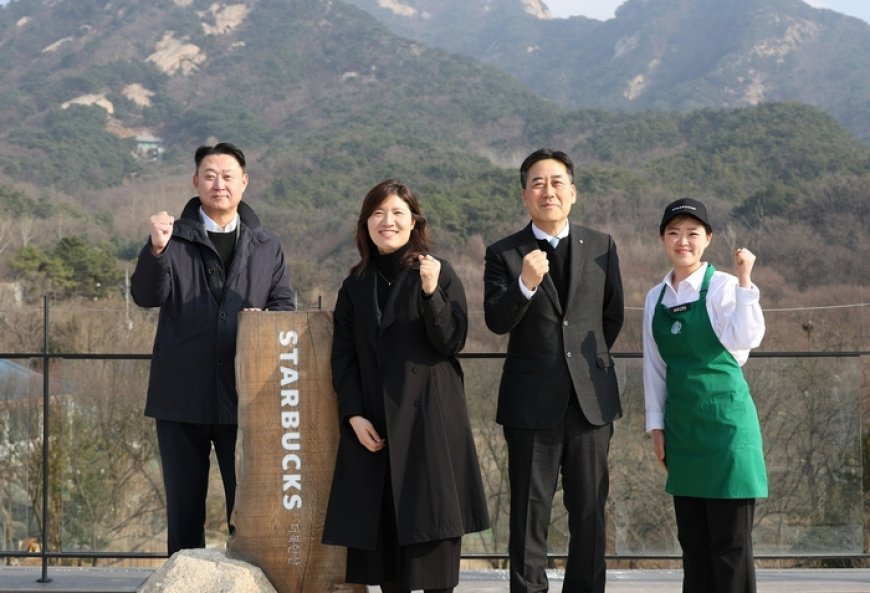
Starbucks Korea has removed its chief executive after a promotional campaign referred to as “Tank Day” sparked a wave of public criticism and online backlash. The controversy quickly escalated across social media platforms, prompting questions about corporate oversight, marketing ethics and brand sensitivity in South Korea.
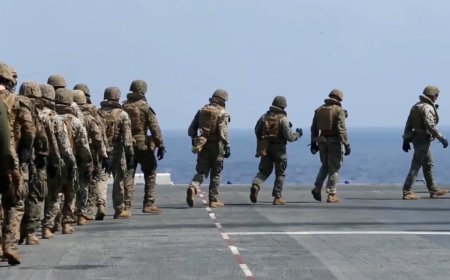
The campaign reportedly featured military-themed imagery and promotional messaging that many consumers considered inappropriate and culturally insensitive. Critics argued that the use of military symbolism for commercial marketing crossed a line at a time when geopolitical tensions and public sensitivities surrounding regional security issues remain high in East Asia.
Public reaction intensified after images linked to the campaign circulated online, with users accusing the company of trivialising serious military themes for commercial gain. Several online commentators and civic groups called for accountability from the company’s leadership, while hashtags demanding an apology began trending across Korean social media platforms.
In response to the growing backlash, Starbucks Korea issued a public statement acknowledging public concern and confirming leadership changes within the company. The firm said it would review its internal marketing approval processes to prevent similar incidents in the future.
Industry analysts say the controversy highlights the growing pressure on multinational corporations to remain culturally aware and socially responsible in regional advertising campaigns. In South Korea, public reaction to corporate controversies can escalate rapidly online, often forcing companies to act quickly to protect their reputation and consumer trust.
The removal of the CEO is being viewed as an attempt by Starbucks Korea to contain reputational damage and reassure customers that the company takes public concerns seriously. Marketing experts note that global brands operating in Asia are increasingly expected to demonstrate cultural sensitivity, particularly when campaigns involve political, military or historical symbolism.
The incident has also reignited debate around corporate accountability and the influence of online public opinion in shaping business decisions. Some analysts argue that companies now face far greater scrutiny over advertising strategies than in previous decades due to the speed and scale of digital reactions.
Despite the controversy, Starbucks Korea remains one of the country’s largest coffee chains, with a strong customer base and extensive retail presence. However, experts warn that rebuilding public trust after such incidents may require more than leadership changes, including transparent communication and stricter oversight of future campaigns.
The company has not yet announced a permanent successor for the outgoing CEO.
What's Your Reaction?
 Like
0
Like
0
 Dislike
0
Dislike
0
 Love
0
Love
0
 Funny
0
Funny
0
 Angry
0
Angry
0
 Sad
0
Sad
0
 Wow
0
Wow
0