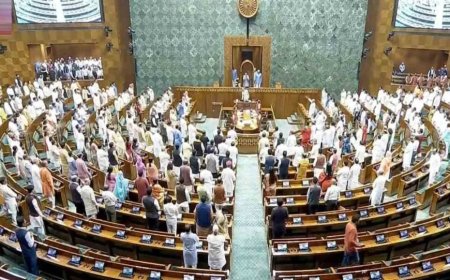
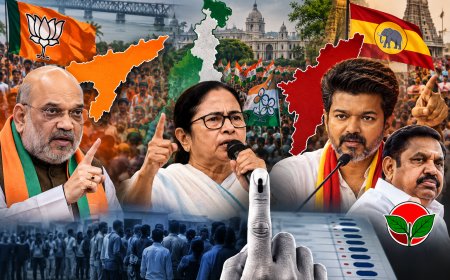
West Bengal is witnessing one of its most significant political transitions in recent years after the Bharatiya Janata Party (BJP) secured the mandate to form the state government, according to party officials and early post-election developments.
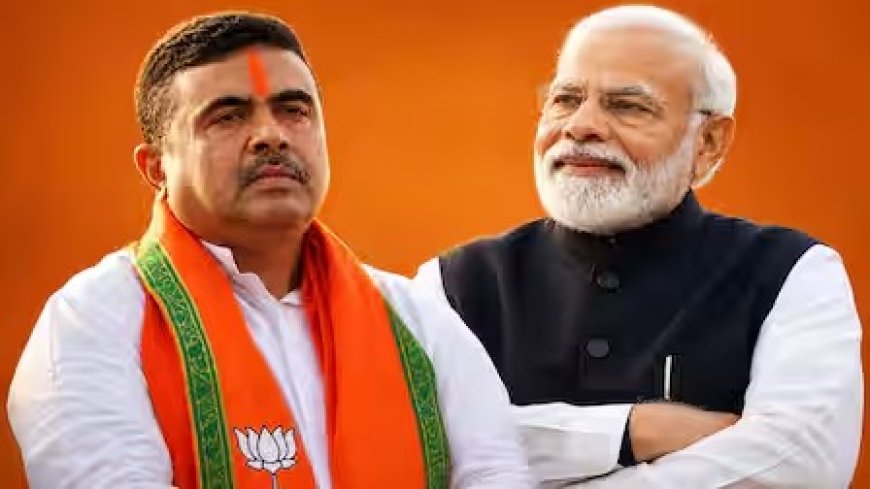
Senior leader Suvendu Adhikari has been named the Chief Minister-designate following a meeting of the BJP legislative party in Kolkata. The announcement marks a decisive turning point in the state’s political landscape, bringing an end to a prolonged period of dominance by the previous ruling establishment.
Party leaders described the development as a “historic mandate” reflecting a shift in voter sentiment across urban and rural constituencies. The decision to choose Adhikari as the chief ministerial face was reportedly unanimous among elected MLAs, with senior national leaders endorsing the move.
Adhikari, a former prominent figure in the state’s opposition politics, is expected to lead the government’s transition process in the coming days. Preparations for the oath-taking ceremony are underway, with security arrangements and administrative planning being coordinated at the state level.
The political change comes amid heightened attention on governance priorities, including law and order, infrastructure development, employment generation, and industrial investment—areas that parties have repeatedly highlighted during recent election campaigns.
Analysts say the outcome could reshape the political narrative not only in West Bengal but also influence broader national political dynamics. The state, often seen as a key battleground in Indian politics, has experienced intense electoral competition in recent years, with shifting alliances and voter patterns.
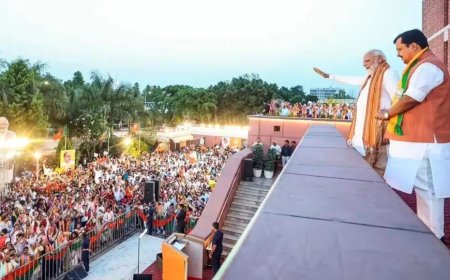
While celebrations were reported among supporters in several areas, opposition leaders have indicated they will review the election outcome and continue to play a strong role in the legislative assembly.
The coming weeks are expected to be crucial as the new administration outlines its policy direction and cabinet structure, setting the tone for governance in the state.
As West Bengal enters this new phase, attention now turns to how the incoming leadership balances political expectations with administrative challenges in one of India’s most politically significant states.

























 Like
0
Like
0
 Dislike
0
Dislike
0
 Love
0
Love
0
 Funny
0
Funny
0
 Angry
0
Angry
0
 Sad
0
Sad
0
 Wow
0
Wow
0