













Shock Batons, Tear Gas & PAVA Shells: What’s Inside India’s Police Riot Control Kit?
From shock batons and tear gas launchers to PAVA chilli shells, anti-riot guns, helmets, shields, and body armour, India's police forces use a range of protective and less-lethal equipment to manage violent crowds while aiming to minimise injuries.

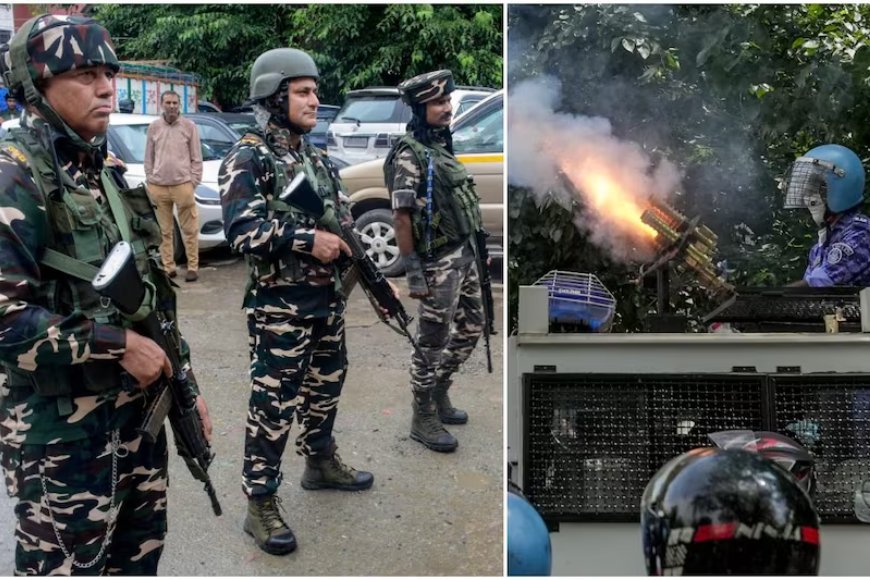
Whenever large-scale protests, violent demonstrations, or riots break out, police personnel face one of the most challenging law-and-order situations. Their responsibility is to protect public safety, prevent damage to property, and restore order while using only the amount of force permitted under the law.
To carry out these duties, specialised anti-riot units such as the Rapid Action Force (RAF) and state police riot-control teams are equipped with specially designed riot-control kits. These kits include protective gear, communication equipment, and a range of less-lethal crowd-management tools intended to disperse violent mobs and safeguard both officers and civilians.
What Is a Riot Control Kit?
A riot-control kit is a collection of protective equipment and operational tools issued to police personnel deployed during violent protests, communal disturbances, or large public gatherings that turn aggressive.
Unlike routine policing equipment, these kits are specifically designed to help officers manage hostile crowds while reducing the risk of fatal injuries. Indian police generally follow a graded response, beginning with warnings and negotiations before escalating to crowd-control measures when necessary.
Protective Gear
The first layer of the kit focuses on officer safety.
Personnel typically wear anti-riot helmets fitted with visors to protect the head and face from stones, sticks, and other projectiles. Full-body protectors include chest guards, shoulder pads, arm and leg protectors, gloves, and shin guards that reduce the impact of blows.
Ballistic jackets or bullet-resistant vests may also be issued depending on the threat assessment, while transparent polycarbonate riot shields protect officers during crowd advances.
Lathis and Shock Batons
One of the most recognisable crowd-control tools remains the police baton, commonly known as a lathi. Modern anti-riot units may also use reinforced polymer batons that are lighter and more durable than traditional bamboo sticks.
Some specialised units have access to electronic shock batons. These devices are designed to temporarily incapacitate an aggressive individual through a controlled electric discharge during close-range encounters. Their deployment is governed by operational protocols and is generally reserved for situations where officers face immediate physical threats.
Tear Gas
Tear gas remains one of the most commonly used less-lethal crowd-control measures.
Tear smoke shells are fired using dedicated launchers or anti-riot guns. Once deployed, they release chemical irritants that cause temporary burning of the eyes, excessive tearing, coughing, and breathing discomfort. The objective is to disperse violent crowds rather than cause permanent injury.
Because wind direction can affect effectiveness, officers receive specialised training on when and where tear gas should be used.
PAVA Chilli Shells
Another important component of India's riot-control arsenal is the PAVA shell.
PAVA (Pelargonic Acid Vanillylamide) is a synthetic capsaicin-based irritant similar in effect to chilli peppers. When fired through specialised launchers, these shells release an irritant cloud that causes intense eye irritation, coughing, and temporary breathing discomfort, making it difficult for violent individuals to continue advancing.
The Ministry of Home Affairs has listed PAVA shells among the approved riot-control equipment supplied under police modernisation programmes.
Anti-Riot Guns
Police also use dedicated anti-riot launchers capable of firing less-lethal munitions such as tear smoke shells, PAVA rounds, or other approved projectiles depending on operational requirements.
These launchers are intended for crowd management and differ from conventional firearms because they are designed primarily to deploy riot-control agents rather than lethal ammunition. Their use is governed by strict operating procedures and command-level authorisation.
Water Cannons
Water cannons are frequently deployed during large-scale protests.
Mounted on specialised vehicles, they fire powerful streams of water to push back violent crowds, clear barricades, and disperse gatherings without direct physical confrontation.
In some situations, authorities may use coloured dye to help identify individuals involved in violent activities after the incident. Chilli-based additives have also been developed for certain specialised crowd-control applications.
Communication and Surveillance Equipment
Modern riot-control operations rely heavily on communication.
Police teams use wireless radios, public-address systems, body cameras, drones, CCTV monitoring, and command vehicles to coordinate deployments and monitor crowd movement.
Drones provide aerial surveillance that helps commanders assess crowd size, identify flashpoints, and guide field personnel more effectively.
Vehicles and Barricades
Specialised riot-control vehicles transport personnel and equipment rapidly to affected locations.
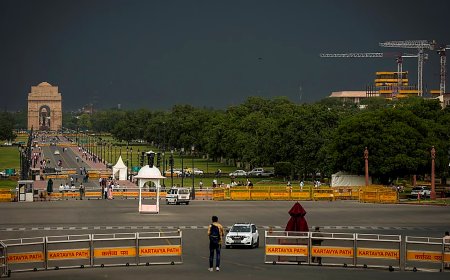
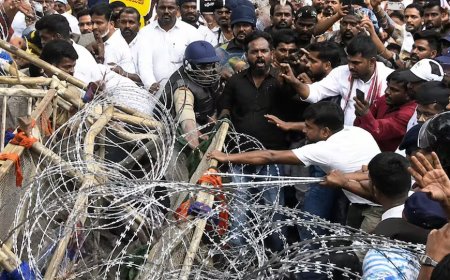
Heavy barricades, fencing systems, and mobile barriers are used to restrict movement, protect sensitive government buildings, and separate opposing groups.
These physical barriers often help prevent confrontations from escalating while allowing emergency vehicles to move safely through affected areas.
Training Is as Important as Equipment
Officials emphasise that equipment alone cannot ensure effective crowd management.
Police personnel receive training in negotiation, crowd psychology, formation drills, defensive tactics, and the graduated use of force. Standard operating procedures require officers to begin with persuasion and warnings before escalating to less-lethal measures if a situation turns violent.
The objective is to restore public order while protecting both police personnel and civilians.
Balancing Security and Rights
The use of riot-control equipment often attracts public scrutiny, particularly after major protests.
Human rights organisations have repeatedly stressed that force should be proportionate, necessary, and used only when peaceful methods fail. At the same time, law enforcement agencies argue that protective gear and less-lethal equipment reduce the need for more dangerous responses during violent situations.
Looking Ahead
As public demonstrations become larger and more complex, India's police forces continue upgrading their riot-control capabilities through improved protective equipment, surveillance technology, communication systems, and modern crowd-management tools.
The focus is increasingly on using less-lethal options that allow authorities to respond to violence while minimising injuries and maintaining public order. However, experts also emphasise that successful crowd management depends not only on advanced equipment but also on disciplined training, clear operational guidelines, accountability, and effective communication between law enforcement agencies and the public.
What's Your Reaction?
 Like
0
Like
0
 Dislike
0
Dislike
0
 Love
0
Love
0
 Funny
0
Funny
0
 Angry
0
Angry
0
 Sad
0
Sad
0
 Wow
0
Wow
0