































Indian Rupee Hits Historic Low, Puts Pressure on Central Bank to Step In
The Indian rupee has fallen to a record low against the US dollar, prompting concerns over inflation and forcing the central bank to consider intervention measures.

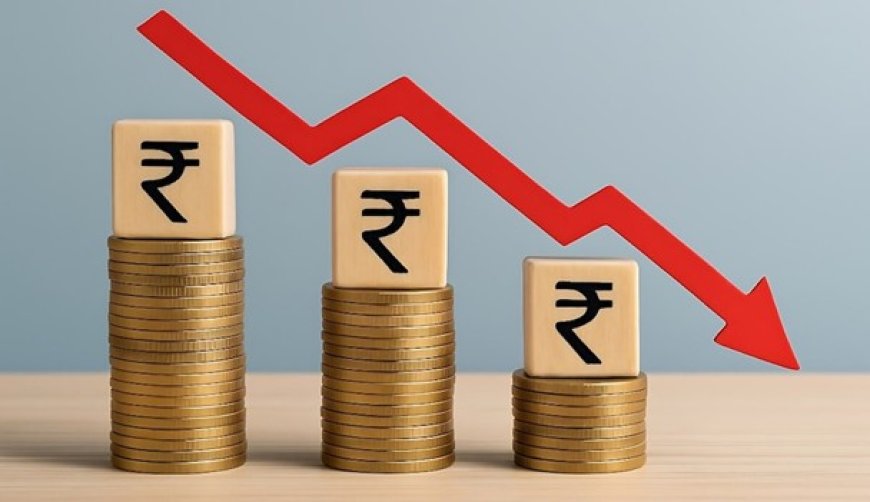
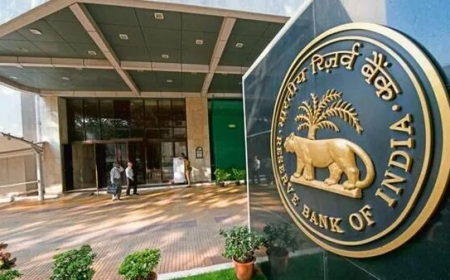
The Indian currency has come under significant pressure as the rupee plunged to a record low against the US dollar, raising fresh concerns for policymakers and financial markets. The sharp depreciation has placed the Reserve Bank of India in a difficult position, with expectations mounting for possible intervention to stabilize the currency.
The fall in the rupee is largely attributed to a surge in global crude oil prices, which has increased India’s import bill, alongside continued foreign capital outflows. As one of the world’s largest oil importers, India remains highly sensitive to energy price fluctuations, making the currency vulnerable during periods of global instability.
Market analysts point out that a weakening rupee could further fuel inflation by raising the cost of imported goods, including fuel and essential commodities. This, in turn, complicates the central bank’s efforts to balance economic growth with price stability.
The Reserve Bank of India may consider a range of measures, including currency market intervention, liquidity adjustments, or interest rate actions, to contain volatility. However, experts caution that global factors—such as US monetary policy and geopolitical tensions—will continue to influence the rupee’s trajectory.
Despite the current challenges, economists believe India’s strong domestic fundamentals and growth outlook could help cushion the impact in the medium term, provided global conditions stabilize.
What's Your Reaction?
 Like
0
Like
0
 Dislike
0
Dislike
0
 Love
0
Love
0
 Funny
0
Funny
0
 Angry
0
Angry
0
 Sad
0
Sad
0
 Wow
0
Wow
0