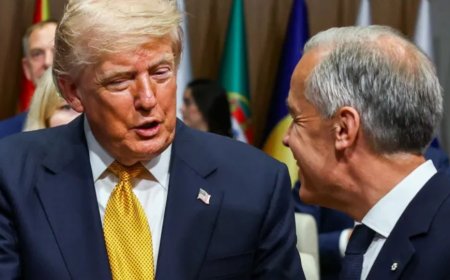
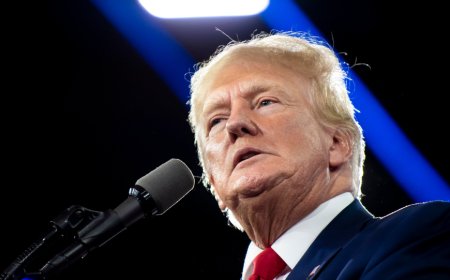
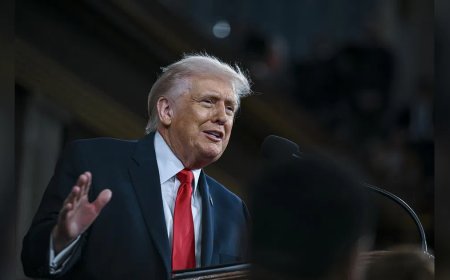
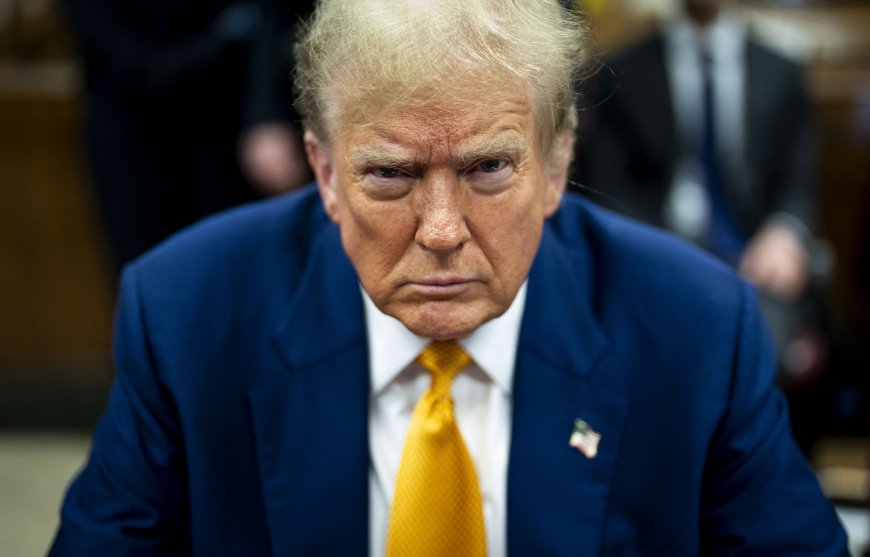
Former U.S. President Donald Trump faced setbacks in what critics describe as an attempt to use the justice system to advance political objectives. The move, which sparked sharp debate among lawmakers and legal experts, was met with institutional checks and procedural safeguards that prevented significant shifts in policy or enforcement.
Observers argue that the U.S. judicial framework—designed with separation of powers and independent oversight—played a key role in curbing the effort. Courts and legal authorities maintained procedural standards, reinforcing the principle that justice institutions operate independently of political influence.
The episode adds to ongoing national conversations about executive authority, the rule of law, and the balance of power within the American political system. While supporters framed the move as a lawful exercise of authority, opponents viewed it as an attempt to blur the line between politics and prosecution. Ultimately, structural safeguards and legal processes ensured that the justice system remained insulated from overt political pressure.































 Like
0
Like
0
 Dislike
0
Dislike
0
 Love
0
Love
0
 Funny
0
Funny
0
 Angry
0
Angry
0
 Sad
0
Sad
0
 Wow
0
Wow
0