
















Unnao Rape Survivor Vows Relentless Fight for Justice as Case Highlights Failures in System and Freedoms for Accused
Unnao rape survivor refuses to back down after Delhi HC’s suspension of convict’s sentence; struggles for justice amid threats, judicial delays, and accused enjoying conditional freedoms.

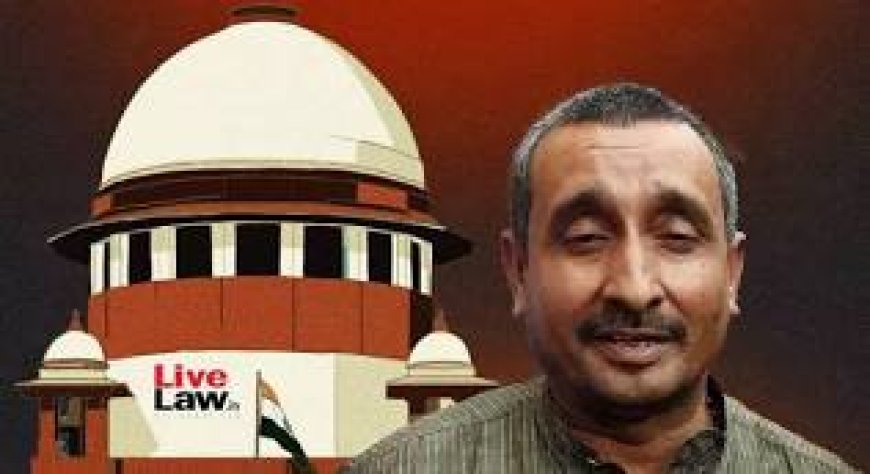
New Delhi / Unnao — The Unnao rape case — one of India’s most notorious and emotionally charged criminal cases — has reignited national outrage as the survivor vows not to rest until justice is delivered, even after a controversial legal battle saw a convicted accused briefly benefit from judicial decisions.
Supreme Court Reverses High Court Bail
On December 29, 2025, the Supreme Court of India stayed a Delhi High Court order that had suspended the life sentence of former BJP legislator Kuldeep Singh Sengar and granted him conditional bail. The top court directed that he remain in custody while legal questions are further examined.
The High Court’s earlier decision — that led to the suspension of Sengar’s sentence — shocked many and triggered widespread criticism of the justice system. This move was seen by many observers as undermining the gravity of the crime and the victim’s long fight for accountability.
Survivor’s Determination and Struggle
The survivor, who was just a minor when the brutal gang rape occurred in 2017 and whose father was later killed in related violence, expressed relief at the Supreme Court’s intervention. Yet, she vowed to continue fighting until Sengar is awarded the maximum punishment, including the death penalty, saying that only then will her family find peace.
“I have faith in the Supreme Court,” she said, “but I will not rest until he is hanged.” Her statement reflects the profound pain and long struggle she and her family have endured — marked by legal hurdles, societal pressure, and threats to their safety.
Activists supporting her, such as Yogita Bhayana, have highlighted ongoing threats to the survivor’s family and structural flaws in the justice mechanism that can leave victims feeling unsafe even after verdicts are delivered.
Why the Victim Struggles and Accused Seem to Enjoy Freedoms
The deep frustration around the case stems from several systemic issues:
Judicial Delays and Conflicting Orders:
The case has seen a complex legal journey — from conviction and life sentence in 2019 to suspension of that sentence by a High Court order late in 2025, only to be stayed again by the Supreme Court days later. These shifting decisions contribute to public perceptions of judicial inconsistency and delay lasting closure for victims.
Safety Concerns and Threats:
The survivor’s family has reported continuous threats and pressure, making them feel unprotected at times. In prior episodes of the case, the victim even contemplated self-harm due to despair and insecurity, pulling back only for her children.
Public and Political Controversies:
Because the case involved a powerful politician, it became entangled with political narratives and public debates. Supporters of the accused have clashed with protesters, reinforcing the sense of divided public opinion and uneven power dynamics.
Calls for Reform and Public Response
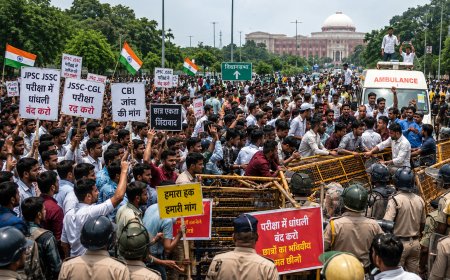
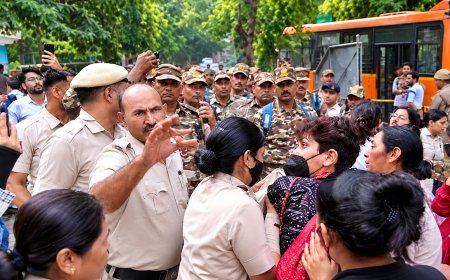
Protests have erupted outside Parliament and in major cities, with demonstrators calling for justice not only in the Unnao case but also broader reforms to ensure survivors of sexual violence feel secure and protected.
Legal experts and activists argue that unless delays and perceived loopholes in judicial processes are addressed, many survivors will continue to feel that accused individuals can exploit legal technicalities and enjoy temporary freedoms, even in the face of serious convictions.
What's Your Reaction?
 Like
0
Like
0
 Dislike
0
Dislike
0
 Love
0
Love
0
 Funny
0
Funny
0
 Angry
0
Angry
0
 Sad
0
Sad
0
 Wow
0
Wow
0