



















War Without Trust: How the Iran Conflict is Exposing America’s Fading Influence Across Asia
The war raging in the Middle East is no longer confined to missiles and oil tankers—it is now reshaping the geopolitical map of Asia, exposing a deeper and more consequential crisis: the steady erosion of American goodwill across the region.

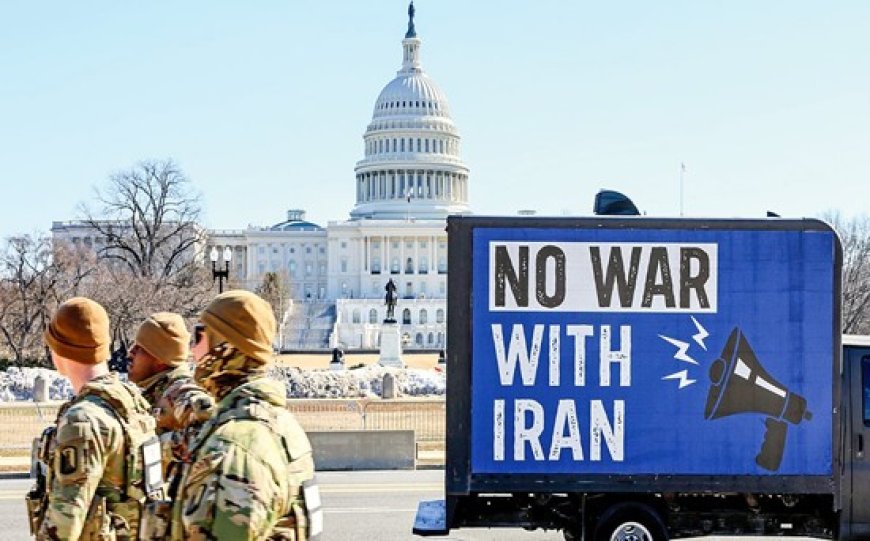
As the conflict between the United States, Israel, and Iran intensifies, Asian nations—once firm pillars of Washington’s strategic influence—are being forced into a new, uncomfortable reality. Energy shortages, economic shocks, and diplomatic recalibrations are revealing just how fragile America’s standing has become.
A War That Reached Asia Without Crossing Its Borders
The immediate trigger was military escalation—airstrikes, retaliatory missile attacks, and the effective disruption of the Strait of Hormuz, through which nearly 20% of the world’s oil flows.
But the aftershocks have been felt most acutely thousands of miles away.
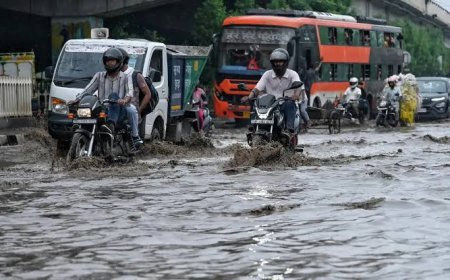
Across Asia, governments are scrambling to contain an unfolding energy crisis. Countries like the Philippines, Thailand, and Vietnam have imposed emergency measures—from fuel rationing to shortened workweeks—as oil supplies tighten and prices surge.
India, heavily dependent on Middle Eastern gas, now faces one of its worst shortages in decades, with authorities prioritizing household consumption over industry.
The message is unmistakable: a war led by Washington is costing Asia dearly.
For decades, the United States positioned itself as the security guarantor of both the Middle East and the Indo-Pacific. But the Iran war is forcing Asian leaders to question that promise.
Even as Washington insists the Indo-Pacific remains its priority, military assets are being redirected to the Gulf. Advanced defense systems and naval deployments once meant to deter threats in Asia are now tied up in a distant conflict.
This shift is not going unnoticed.
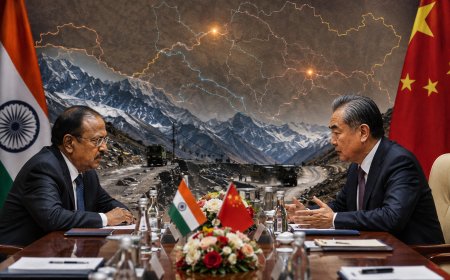
Asian powers—from India to Indonesia—have responded with caution, avoiding strong alignment with the U.S. and instead calling for diplomacy and restraint.
ASEAN nations have collectively urged ceasefire and neutrality, signaling a preference for stability over alliance politics.
The underlying concern: if Washington can pull resources away so quickly, how reliable is its long-term commitment?
Perhaps the most telling sign of declining goodwill is who is stepping in to lead.
Pakistan has emerged as a key diplomatic hub, hosting talks involving regional powers to stabilize the crisis and potentially mediate between the U.S. and Iran.
China, too, has backed these initiatives, quietly expanding its influence as a stabilizing force.
Meanwhile, several Asian countries are negotiating directly with Iran to secure energy routes—sometimes bypassing Washington entirely. Iran has even allowed “non-hostile” vessels from select nations to pass through the Strait, effectively creating a new hierarchy of access based on political alignment.
In this emerging order, goodwill—not military power—is determining who gets fuel.
The economic consequences are mounting rapidly.
Oil prices have surged to record highs, driving inflation and threatening fragile economies across Asia.
Stock markets have wobbled, currencies are under pressure, and industries dependent on energy—from manufacturing to tech—are facing uncertainty.
What makes this crisis particularly bitter for many Asian nations is its origin: a conflict they did not start, but must now pay for.
Goodwill, once abundant, is being replaced by skepticism.
And in a region that will define the 21st century, that loss may prove far more costly than any War.
What's Your Reaction?
 Like
0
Like
0
 Dislike
0
Dislike
0
 Love
0
Love
0
 Funny
0
Funny
0
 Angry
0
Angry
0
 Sad
0
Sad
0
 Wow
0
Wow
0