























West Bengal Orders Mandatory Singing of ‘Vande Mataram’ in Madrasas Amid Political Debate
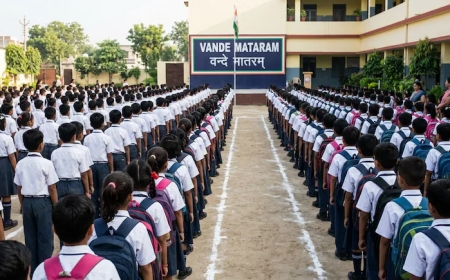
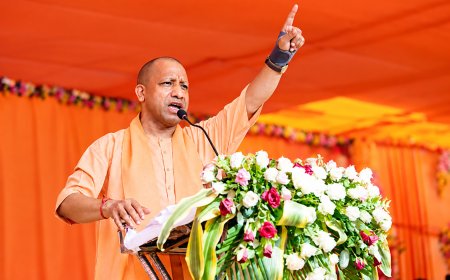
The West Bengal government has announced that “Vande Mataram” will now be compulsory in morning assemblies across all government-run and state-recognised madrasas, a move that has quickly triggered political debate and renewed discussions around nationalism, education and identity in the state.

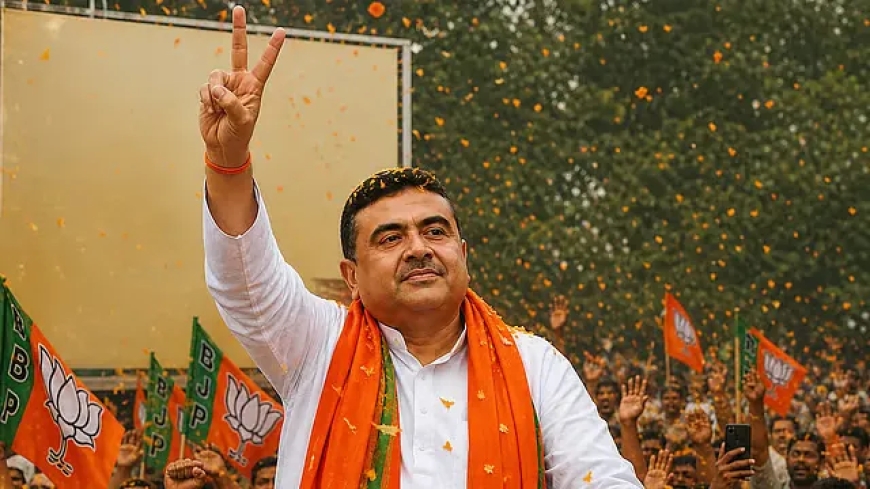
Under the new directive issued by the state’s Madrasa Education Department, students attending government-aided and recognised madrasas will be required to sing the national song before the start of classes each day. Officials said the order is intended to bring uniformity to assembly practices in educational institutions across West Bengal.
The decision marks one of the most significant policy interventions in the madrasa education system in recent years. State authorities have defended the move, saying that “Vande Mataram” represents India’s cultural heritage and national pride and should be treated as a unifying symbol for students regardless of religious background.
Government sources said schools and madrasas have been instructed to implement the order immediately. Education officials are also expected to monitor compliance through district-level administrative reviews in the coming weeks.
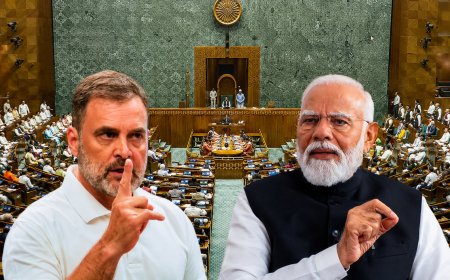
The announcement has drawn sharp political reactions. Supporters of the policy have welcomed it as a step towards strengthening patriotism and civic identity among young students. Leaders associated with the ruling establishment argued that educational institutions should encourage respect for national symbols and traditions.
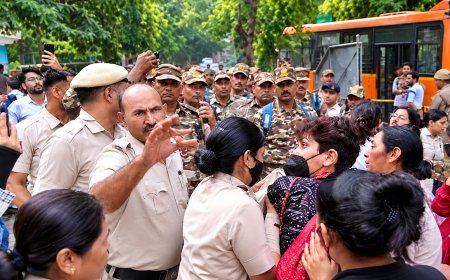
However, opposition parties and some minority organisations have raised concerns over the decision, questioning whether the directive could deepen social and political divisions. Critics argue that while respect for national values is important, educational policies should remain sensitive to the cultural and religious diversity of students.
Some education experts have also pointed out that debates around “Vande Mataram” have surfaced repeatedly in India’s political landscape over the years. While many regard the song as an emotional symbol of the freedom movement, others have historically objected to parts of its wording and interpretation. These disagreements have occasionally led to political controversy in several states.
In Kolkata and other districts, reactions among parents and teachers remained mixed. Some madrasa administrators said they would follow government instructions without disruption, while others privately expressed concern about the possibility of tension inside educational institutions.
Political observers believe the timing of the decision is significant, especially as identity-based issues continue to dominate public discourse in West Bengal ahead of upcoming electoral battles. The state has witnessed increasingly polarised political campaigns in recent years, with education and cultural symbolism becoming central themes in the debate between rival parties.
Despite the criticism, the state government has shown no indication of reconsidering the order. Officials maintain that the policy is not directed against any community and should instead be viewed as part of a broader effort to promote national unity within the education system.
What's Your Reaction?
 Like
0
Like
0
 Dislike
0
Dislike
0
 Love
0
Love
0
 Funny
0
Funny
0
 Angry
0
Angry
0
 Sad
0
Sad
0
 Wow
0
Wow
0