

































Arctic Sea Ice Hits Record Low This Winter as Heatwaves Break Records
In a stark warning sign of accelerating climate change, Arctic sea ice has fallen to its lowest winter level ever recorded, as unusually high global temperatures continue to shatter previous records.

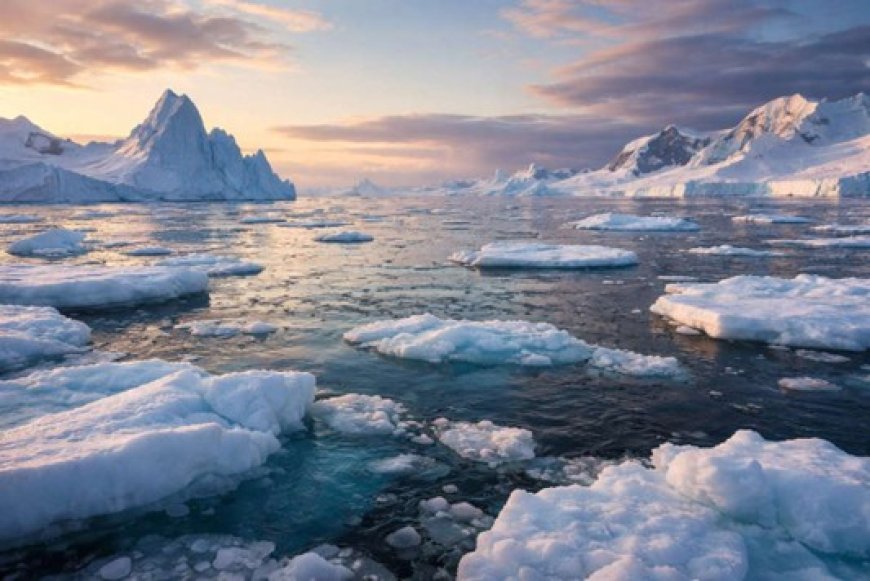
Scientists monitoring the polar region report that even at the peak of winter—when ice coverage is typically at its maximum—the Arctic failed to recover to expected levels. Instead, vast stretches of ocean remained exposed, reflecting a dramatic shift in Earth’s climate system. Researchers describe the situation as “unprecedented,” noting that this year’s ice extent is significantly below the long-term average.
The primary driver behind this decline is abnormally high temperatures across the Arctic, where warming is occurring nearly four times faster than the global average. This phenomenon, often referred to as Arctic amplification, is causing ice to form later, melt earlier, and thin more rapidly than ever before.
The consequences extend far beyond the polar region. With less ice to reflect sunlight back into space, darker ocean waters absorb more heat, creating a dangerous feedback loop that accelerates global warming. This process not only intensifies climate change but also disrupts weather patterns worldwide, contributing to extreme events such as heatwaves, storms, and unpredictable rainfall.
Environmental experts warn that the shrinking ice cover could also have serious ecological impacts. Species such as polar bears, seals, and walruses are losing critical habitats, while indigenous communities face growing challenges to their traditional ways of life.
“This is not just a regional crisis—it’s a global one,” climate scientists emphasize, urging governments to take urgent action to reduce greenhouse gas emissions and transition to cleaner energy sources.
As the planet continues to warm, the record-breaking decline in Arctic sea ice stands as a powerful indicator of the rapid and ongoing transformation of Earth’s climate, underscoring the narrowing window for meaningful intervention.
What's Your Reaction?
 Like
0
Like
0
 Dislike
0
Dislike
0
 Love
0
Love
0
 Funny
0
Funny
0
 Angry
0
Angry
0
 Sad
0
Sad
0
 Wow
0
Wow
0