































Hormuz Reopens After Two-Month Disruption: US-Iran Deal Revives Iranian Oil Exports and Eases Global Supply Concerns
A diplomatic breakthrough between the United States and Iran has led to the resumption of Iranian oil shipments through the Strait of Hormuz after nearly two months of disruption. The development is expected to ease pressure on global energy markets and improve oil supply stability worldwide.

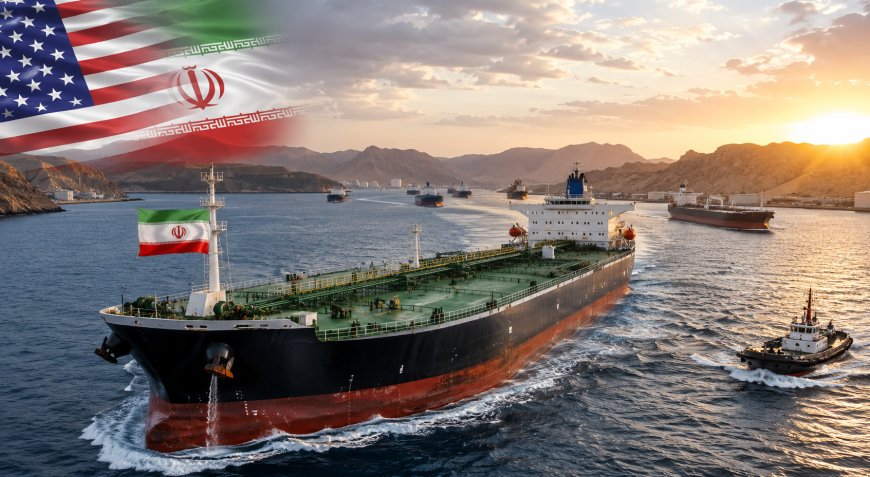
Global energy markets received a major boost after Iranian oil exports resumed through the Strait of Hormuz following a diplomatic agreement between the United States and Iran. The reopening of one of the world's most critical energy transit routes marks a significant turning point after nearly two months of disruptions that had fueled concerns over oil supplies and rising geopolitical tensions in the Middle East.
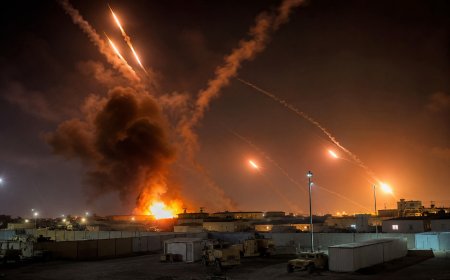
The Strait of Hormuz is one of the most strategically important waterways in the world, serving as a key passage for a large share of global crude oil and liquefied natural gas shipments. In recent months, heightened regional tensions, security concerns, and shipping disruptions had significantly impacted traffic through the narrow channel, raising fears of supply shortages and pushing energy markets into a period of uncertainty.
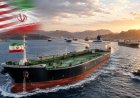
The latest agreement between Washington and Tehran has helped restore confidence in the region's energy infrastructure. Following the deal, Iranian oil tankers have begun moving through the strait once again, signaling a gradual return to normal operations. Market analysts believe the development could increase global oil availability and reduce concerns over supply bottlenecks that have affected prices in recent weeks.
The disruption in Hormuz had far-reaching consequences beyond the Middle East. Energy-importing nations closely monitored the situation as any interruption in the waterway has the potential to impact fuel prices, shipping costs, and inflation across the globe. Several shipping firms had reportedly adjusted routes and raised insurance premiums due to the elevated security risks in the region.
The resumption of exports is expected to bring relief to international oil markets. Increased supply from Iran could help stabilize crude prices and improve overall market sentiment. Investors have already reacted positively to signs of easing tensions, with energy traders anticipating a more balanced supply-demand environment in the coming weeks.
However, experts caution that the situation remains fragile. While the agreement has reduced immediate concerns, the broader geopolitical landscape in the Middle East continues to be complex. Any renewed tensions, security incidents, or diplomatic setbacks could once again disrupt shipping activities and create volatility in energy markets.
For major oil-importing countries such as India, the reopening of the Strait of Hormuz carries particular significance. Lower crude oil prices could help reduce import costs, ease inflationary pressures, and support economic growth. Governments and businesses alike will be watching closely to see whether the current diplomatic momentum can translate into lasting stability.
The coming weeks will be crucial in determining how quickly shipping operations return to normal and whether the US-Iran understanding can sustain peace in one of the world's most strategically important energy corridors. For now, the reopening of Hormuz represents a welcome development for global trade, energy security, and financial markets.
What's Your Reaction?
 Like
0
Like
0
 Dislike
0
Dislike
0
 Love
0
Love
0
 Funny
0
Funny
0
 Angry
0
Angry
0
 Sad
0
Sad
0
 Wow
0
Wow
0