































US and Iran Trade Strikes After Helicopter Incident Raises Fears of Wider Gulf Conflict
The United States and Iran have exchanged military strikes following the downing of a US Apache helicopter near the Strait of Hormuz. While the helicopter's crew was rescued safely, the incident has intensified tensions between the two countries, raised concerns over regional stability, and threatened ongoing diplomatic efforts.

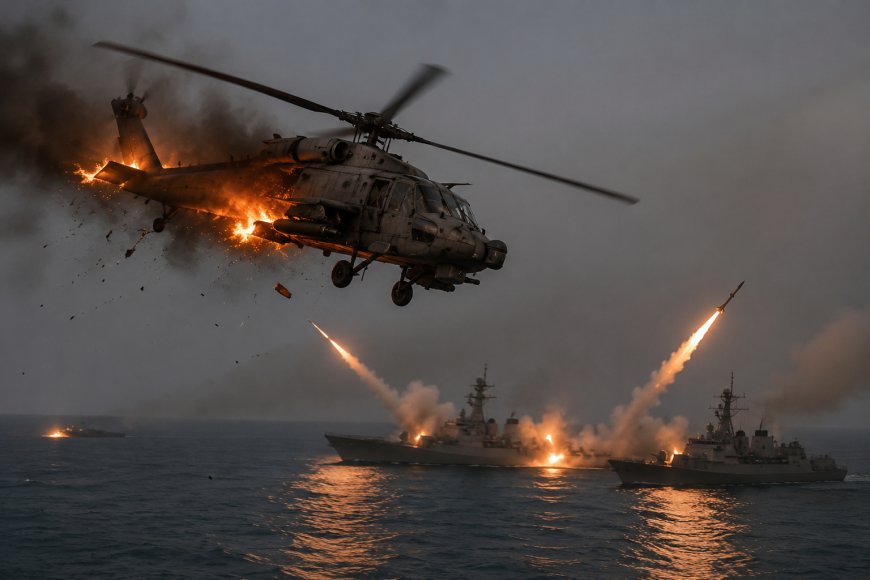
A fresh round of military exchanges between the United States and Iran has heightened concerns about stability in the Middle East after a US Apache helicopter was brought down near the Strait of Hormuz, one of the world's most strategically important waterways.
The incident occurred during a patrol mission near the Strait of Hormuz, a narrow shipping route through which a significant share of global oil supplies passes. US officials said the helicopter's two crew members were rescued safely, reportedly with the assistance of an unmanned naval rescue system. However, the circumstances surrounding the aircraft's loss quickly became the focus of an escalating confrontation between Washington and Tehran.
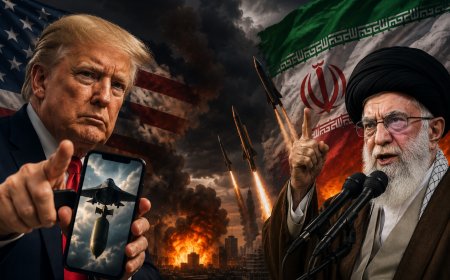
The United States responded by carrying out strikes on Iranian military infrastructure, including air defence systems, radar installations and command facilities near the Strait. US Central Command described the operation as a proportional response to what it called Iranian aggression.
Iran, meanwhile, launched missile and drone attacks targeting American military positions in Bahrain, Jordan and other locations in the Gulf region. Iranian authorities said the attacks were a response to US military action, while American officials reported that many of the incoming projectiles were intercepted and that there were no immediate reports of major casualties among US personnel.
The latest confrontation comes despite recent diplomatic efforts aimed at reducing tensions between the two countries. Analysts say the exchange of strikes has cast doubt on the prospects for near-term negotiations and increased the risk of further military escalation.
The Strait of Hormuz remains central to the crisis. The waterway is one of the world's most important energy corridors, and any disruption to shipping can have consequences for global oil markets. Following the latest developments, energy traders closely monitored the situation amid concerns that prolonged instability could affect supply routes and push prices higher.
There are still competing narratives about the helicopter incident itself. US officials have blamed Iran for the downing of the aircraft, while Iranian officials have disputed aspects of the American account and suggested the possibility of an accident or unintended confrontation. Independent verification of all claims remains limited.
For now, both sides appear determined to demonstrate military resolve while leaving the door open to diplomacy. Whether the latest violence proves to be a short-lived flare-up or the beginning of a broader regional crisis may depend on the willingness of Washington and Tehran to return to negotiations in the days ahead.
The developments underscore how quickly tensions in the Gulf can escalate and how events in the Strait of Hormuz continue to have implications far beyond the region, affecting security, diplomacy and global energy markets alike.
What's Your Reaction?
 Like
0
Like
0
 Dislike
0
Dislike
0
 Love
0
Love
0
 Funny
0
Funny
0
 Angry
0
Angry
0
 Sad
0
Sad
0
 Wow
0
Wow
0