

















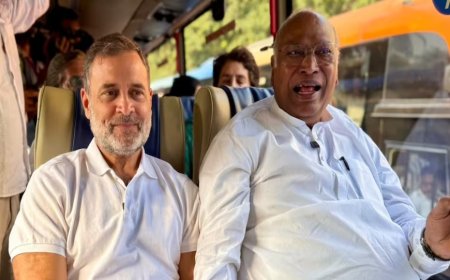

Modi Allies Call for Bigger Families Amid India’s Population Debate
Several political and ideological allies of Prime Minister Narendra Modi have renewed calls encouraging larger families, arguing that population growth is important for cultural and economic strength. The remarks have sparked debate as India remains the world’s most populous country with over 1.4 billion people.

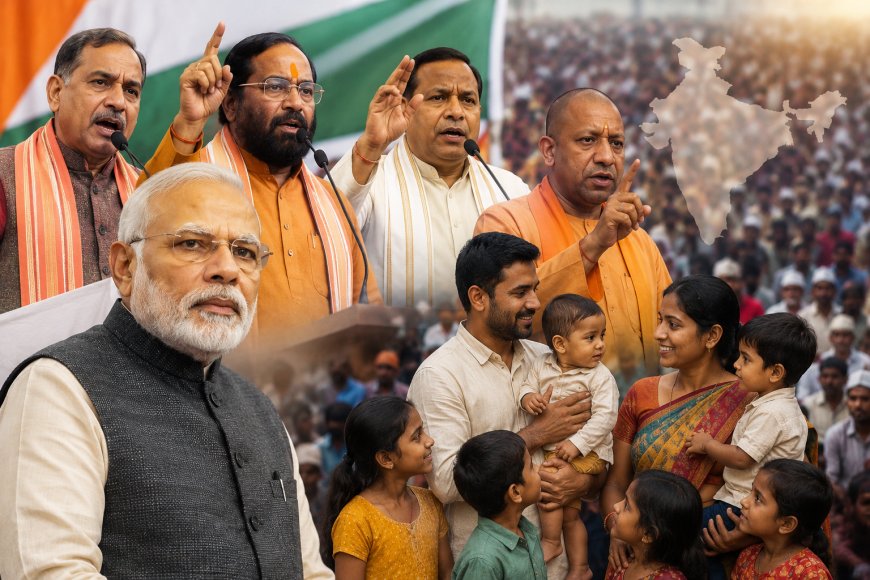
Fresh remarks by leaders and groups associated with Prime Minister Narendra Modi’s political ecosystem have reignited the national debate over population growth and family size in India. Some prominent voices linked to the ruling alliance have encouraged citizens to have more children, claiming that demographic strength is essential for preserving cultural identity and supporting long-term economic growth.
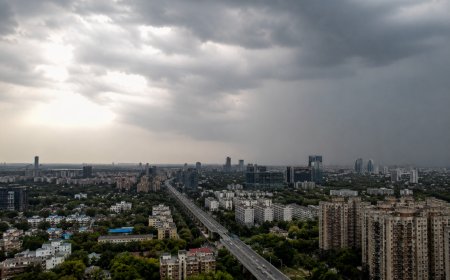
The statements come at a time when India is officially the world’s most populous nation, with an estimated population exceeding 1.4 billion people. While many developed and developing countries are facing declining birth rates and ageing populations, India continues to experience significant demographic pressure, especially in urban centers struggling with housing, jobs, healthcare, and infrastructure demands.
Supporters of larger families argue that maintaining a healthy young population is necessary for economic expansion, workforce stability, and national influence in the coming decades. Some leaders have also framed the issue around concerns of demographic imbalance, although critics say such narratives risk increasing social and religious tensions.
Opposition parties and several economists have questioned the practicality of encouraging population growth when unemployment and resource challenges remain major concerns. Critics argue that India should focus more on improving education, healthcare, women’s empowerment, and employment opportunities rather than promoting larger families.
Demographic experts note that India’s fertility rate has already declined significantly over the past two decades and is now close to replacement levels in many states. Southern and urban regions have seen particularly sharp declines in birth rates, while some northern states continue to report relatively higher fertility levels.
Public policy analysts believe the debate reflects growing political attention on demographic trends as India prepares for future economic and social transformations. Some experts warn that unchecked population growth could place additional pressure on water resources, food security, and public services, particularly in rapidly expanding cities.
Meanwhile, supporters of population growth point to countries like Japan, South Korea, and several European nations that are now struggling with shrinking populations and labour shortages. They argue that India’s youthful demographic advantage could become a major global strength if managed effectively through skill development and economic reforms.
The discussion has also triggered strong reactions on social media, where users remain divided between concerns over overpopulation and arguments supporting demographic expansion. Political observers expect the issue to remain part of broader ideological and economic debates ahead of future elections and policy discussions.
What's Your Reaction?
 Like
0
Like
0
 Dislike
0
Dislike
0
 Love
0
Love
0
 Funny
0
Funny
0
 Angry
0
Angry
0
 Sad
0
Sad
0
 Wow
0
Wow
0