
















Why is India so worried about Sikh separatist calls for Khalistan?
Rising Khalistan Rhetoric Sparks Fresh Security and Diplomatic Concerns for India

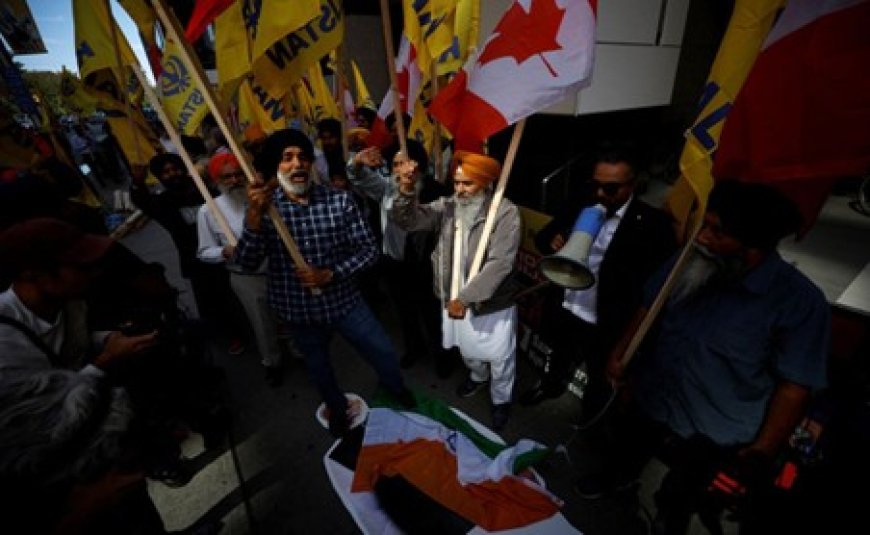
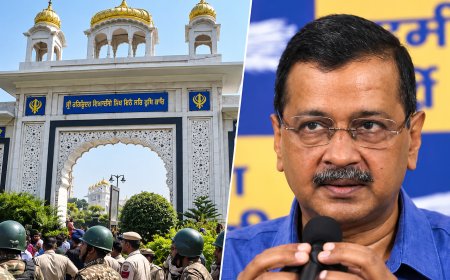
India is once again confronting renewed concerns over separatist rhetoric linked to the idea of Khalistan, as calls from fringe groups—both within the country and abroad—have triggered heightened security vigilance and diplomatic engagement.
The concept of Khalistan, which envisions an independent Sikh homeland carved out of India’s Punjab region, dates back several decades. While the movement lost significant momentum after the turbulent period of the 1980s and early 1990s, recent years have seen sporadic revival attempts, largely driven by overseas networks and digital campaigns.
Government officials in India view these developments as a serious concern for multiple reasons. First, there is the issue of national security. Authorities argue that even isolated calls for secession can be exploited by extremist elements to incite unrest, particularly in sensitive border states like Punjab. Intelligence agencies have pointed to attempts to radicalize youth through social media and encrypted platforms.
Second, the historical memory of violence continues to shape India’s response. The period marked by militancy in Punjab, including events such as Operation Blue Star and the subsequent assassination of Indira Gandhi, remains deeply etched in the country’s political and social consciousness. Policymakers are keen to prevent any return to that era of instability.
Diplomatic tensions have also surfaced, particularly with countries hosting sections of the Sikh diaspora. Indian officials have repeatedly raised concerns about pro-Khalistan demonstrations abroad, arguing that freedom of expression should not extend to activities that threaten another nation’s sovereignty. These concerns have occasionally strained relations with partners such as Canada and the United Kingdom, where such protests have been visible.
However, experts emphasize that the situation within India is markedly different from the narrative projected by separatist groups. Punjab today is largely peaceful, and there is little evidence of widespread local support for secession. Analysts suggest that economic aspirations, migration trends, and political integration have significantly reduced the appeal of separatism among residents.
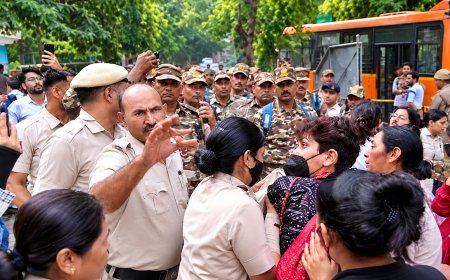
At the same time, the Indian government continues to adopt a zero-tolerance approach. Law enforcement agencies have intensified monitoring, while legal actions have been taken against individuals and organizations accused of promoting secession or inciting violence.
As India navigates this complex issue, the challenge lies in balancing democratic freedoms with national security imperatives—ensuring that isolated voices do not escalate into broader instability, while maintaining the country’s commitment to pluralism and unity.
What's Your Reaction?
 Like
0
Like
0
 Dislike
0
Dislike
0
 Love
0
Love
0
 Funny
0
Funny
0
 Angry
0
Angry
0
 Sad
0
Sad
0
 Wow
0
Wow
0