





























US Launches Second Night of Strikes on Iran as Tehran Targets Bases in Kuwait, Bahrain and Qatar
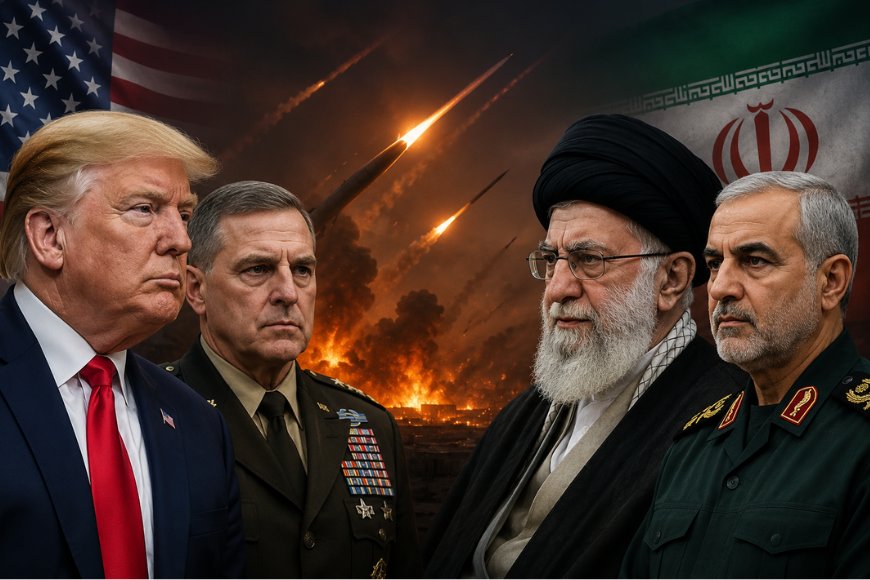
The conflict between the United States and Iran intensified as Washington carried out a second consecutive night of airstrikes on Iranian military targets. In response, Tehran launched missile and drone attacks aimed at U.S.-linked military bases in Kuwait, Bahrain, and Qatar, raising fears of a broader regional conflict across the Middle East.

US Launches Second Night of Strikes on Iran as Tehran Expands Retaliatory Attacks Across the Gulf
The military confrontation between the United States and Iran has entered a dangerous new phase after U.S. forces carried out a second consecutive night of airstrikes against Iranian military targets. The renewed offensive came just hours after Iran launched retaliatory missile and drone attacks aimed at military facilities linked to the United States in Kuwait, Bahrain, and Qatar, signaling a widening regional crisis.
The latest escalation has significantly increased tensions across the Middle East, with governments closely monitoring the rapidly evolving situation. Analysts warn that if both sides continue exchanging attacks, the conflict could expand beyond bilateral hostilities and draw additional regional actors into the confrontation.
Second Consecutive Night of U.S. Airstrikes
According to U.S. officials, American forces targeted multiple Iranian military installations during overnight operations. The strikes reportedly focused on missile launch sites, drone infrastructure, weapons storage facilities, and command-and-control centers believed to support Iran's military operations.
Washington described the attacks as defensive measures designed to degrade Iran's offensive capabilities and protect American personnel stationed throughout the region. U.S. military officials also stated that operations were conducted with precision-guided weapons to minimize unintended damage.
The latest strikes mark the second straight night of military operations, demonstrating that Washington is prepared to sustain pressure if hostilities continue.
Iran Responds by Targeting Gulf Bases
In response, Iran launched a series of missile and drone attacks aimed at military installations associated with U.S. forces in Kuwait, Bahrain, and Qatar.
Regional security agencies immediately activated air defense systems after detecting incoming projectiles. Initial reports indicated that interception systems engaged several missiles and drones before they reached their intended targets, although assessments regarding damage and casualties remain ongoing.
The attacks represent one of Iran's broadest regional responses in the current crisis, extending military pressure beyond direct U.S.-Iran engagement.
Strategic Importance of Gulf Bases
The targeted military facilities play a crucial role in American operations across the Middle East.
Qatar hosts one of the largest U.S. military installations in the region, serving as a key command and logistics hub. Bahrain is home to the U.S. Navy's Fifth Fleet, responsible for maritime security in the Persian Gulf, while Kuwait remains an important operational center supporting American military deployments.
By targeting these locations, Iran appears to be signaling that future U.S. military operations could carry broader regional consequences.
Growing Risk of Regional Escalation
Security experts warn that the latest developments significantly increase the possibility of a wider regional conflict.
Any further attacks involving Gulf states could complicate the security environment and increase pressure on regional governments hosting American military assets. There are also concerns that additional armed groups aligned with either side could become involved if the conflict continues to intensify.
Military analysts emphasize that miscalculation remains one of the greatest risks, as rapid retaliatory actions could trigger a larger confrontation that becomes increasingly difficult to contain.
Impact on Global Energy Markets
The renewed fighting has once again placed global energy markets on edge.
The Gulf region is responsible for a significant share of the world's oil exports, and continued military activity raises concerns about shipping routes, particularly around the Strait of Hormuz. Traders reacted cautiously to reports of the latest strikes, with oil prices moving higher amid fears of potential supply disruptions.
Economists warn that prolonged instability could contribute to higher fuel prices, increased shipping costs, and renewed inflationary pressure across global markets.
International Calls for De-escalation
Governments around the world have urged both Washington and Tehran to exercise restraint.
Several international leaders have emphasized the need for diplomatic engagement to prevent further escalation, warning that continued military exchanges could threaten regional stability and international trade.
Diplomatic channels remain active, although recent developments have made immediate negotiations increasingly difficult.
Military Preparedness Across the Region
In response to the growing crisis, several countries in the Gulf have reportedly strengthened security around key infrastructure, military installations, airports, and energy facilities.
Air defense systems remain on heightened alert, while commercial airlines continue monitoring regional airspace as authorities evaluate potential risks to civilian aviation.
Defense officials across the region are closely coordinating with international partners to assess the evolving security situation.
What Happens Next?
The coming days are expected to be critical.
If both sides continue retaliatory military operations, the conflict could evolve into a broader regional confrontation involving additional countries and non-state actors. Alternatively, sustained diplomatic pressure from international partners could encourage both governments to return to negotiations before the crisis escalates further.
Military experts believe the immediate priority for both sides will be assessing the effectiveness of recent operations while preparing for potential future responses.
The second consecutive night of U.S. strikes against Iran, followed by Tehran's missile and drone attacks targeting military bases in Kuwait, Bahrain, and Qatar, marks one of the most serious escalations in recent Middle East tensions. The expanding geographic scope of the conflict has heightened fears of a wider regional war, increased uncertainty in global energy markets, and renewed calls for urgent diplomatic intervention.
With both nations continuing military operations and regional security on high alert, the international community is closely watching developments that could shape the future of stability across the Middle East.
What's Your Reaction?

Like
0
Dislike
0
Love
0
Funny
0
Angry
0
Sad
0
Wow
0