

































Huge Fireball and Roof Collapse: Iranian Drone Strike Hits Kuwait Airport, Escalating Middle East Tensions
A suspected Iranian drone strike on Kuwait International Airport triggered a massive explosion and partial roof collapse, causing casualties and widespread disruption. The attack has heightened regional tensions and raised serious concerns about aviation security and Middle East stability.

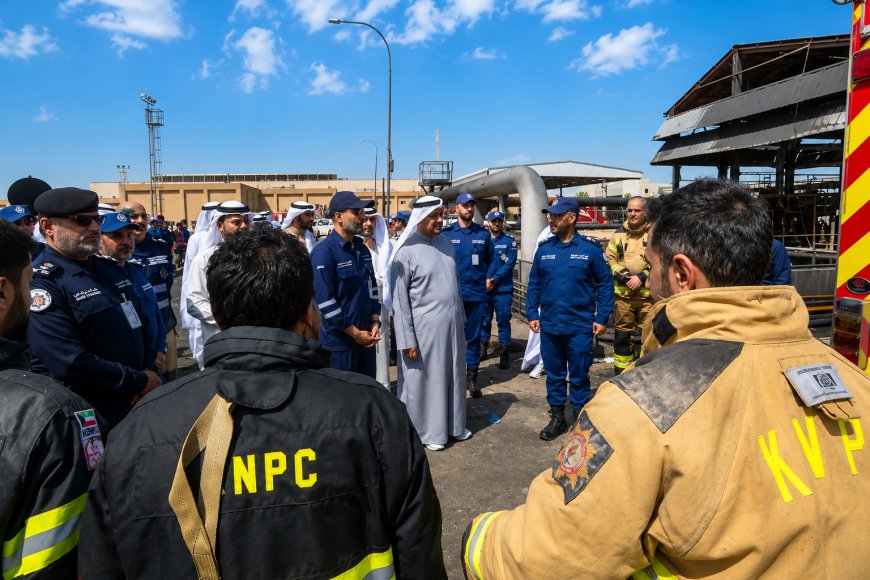
A major security crisis unfolded in the Gulf region after Kuwait International Airport was struck by drones allegedly launched by Iran, resulting in a massive explosion, extensive structural damage, and casualties. Dramatic footage released by Kuwaiti authorities showed a huge fireball erupting near a passenger terminal, followed by the partial collapse of sections of the airport's roof. The incident marks one of the most serious attacks on civilian infrastructure in the region in recent years and has raised fresh concerns about the widening conflict in the Middle East.
What Happened at Kuwait International Airport?
According to Kuwaiti authorities, multiple drones entered the country's airspace during a period of heightened regional tensions. While air defense systems reportedly intercepted several incoming threats, at least one drone managed to strike the vicinity of Terminal 1 at Kuwait International Airport. The impact triggered a powerful explosion that sent flames and smoke into the sky. The blast caused significant damage to airport infrastructure, shattered glass panels, and led to the collapse of portions of the terminal's roof. Emergency response teams were immediately deployed to evacuate passengers, secure the affected areas, and provide medical assistance to those injured in the incident.
Casualties and Damage Assessment
Officials confirmed that the attack resulted in fatalities and multiple injuries. Reports indicated that an Indian national was among those killed, while dozens of passengers and airport workers sustained injuries of varying severity. The damaged terminal suffered structural impacts, forcing airport authorities to suspend operations in affected sections. Several flights were delayed, diverted, or canceled as emergency teams worked to assess the extent of the destruction. Engineers and security experts have been deployed to inspect the terminal and determine whether additional sections of the facility were compromised by the blast.
Why Did the Attack Occur?
The strike comes amid escalating tensions between Iran and the United States and their regional allies. Analysts believe the attack may be linked to recent military developments in the Gulf region and ongoing confrontations involving Iranian-backed groups and Western forces. In recent weeks, military exchanges and security incidents across the Middle East have increased fears of a broader regional conflict. Strategic locations, energy infrastructure, and transportation hubs have become potential targets as tensions continue to rise. Although investigations are ongoing, the incident has intensified concerns about the vulnerability of civilian infrastructure during periods of geopolitical instability.
Kuwait's Defense Response
Kuwait's Ministry of Defense stated that its air defense systems successfully intercepted and destroyed several incoming drones and missiles before they could reach critical targets. Military officials emphasized that the country's security forces remain on high alert and are coordinating with regional and international partners to strengthen defensive measures. Authorities have launched a comprehensive investigation into the attack to determine how the drones penetrated Kuwaiti airspace and identify potential security gaps.
International Reactions
The attack has drawn strong reactions from governments across the world. Several countries condemned the strike and expressed solidarity with Kuwait. India's Ministry of External Affairs expressed concern over the death of an Indian citizen and called for restraint from all parties involved. International organizations and foreign governments have urged immediate efforts to prevent further escalation in the region. Security analysts warn that attacks on civilian facilities such as airports could have serious consequences for global aviation and regional stability.
Impact on Regional Aviation and Security
Kuwait International Airport serves as one of the Gulf region's major transportation hubs. The attack has disrupted passenger movement, cargo operations, and airline schedules. Airlines operating in the region have begun reviewing flight routes and risk assessments as concerns grow over the safety of air travel near conflict zones. Aviation experts believe the incident could lead to stricter security protocols and increased military monitoring of regional airspace. The attack also highlights the growing role of drone warfare in modern conflicts and the challenges governments face in defending critical infrastructure against such threats.
What Happens Next?
Authorities are expected to continue forensic investigations while assessing the full scale of the damage. Airport officials are working to restore normal operations and ensure passenger safety. Regional leaders are likely to engage in diplomatic efforts aimed at preventing further escalation. However, with tensions already running high, security experts warn that the possibility of additional confrontations cannot be ruled out. The incident has become a stark reminder of how quickly geopolitical conflicts can impact civilian populations and critical infrastructure.
The alleged Iranian drone strike on Kuwait International Airport has emerged as a major flashpoint in the Middle East crisis. The dramatic explosion, roof collapse, casualties, and disruption of airport operations have underscored the growing security challenges facing the region. As investigations continue and international pressure mounts, the world will be closely watching the next steps taken by Kuwait, Iran, and other regional powers.
What's Your Reaction?
 Like
0
Like
0
 Dislike
0
Dislike
0
 Love
0
Love
0
 Funny
0
Funny
0
 Angry
0
Angry
0
 Sad
0
Sad
0
 Wow
0
Wow
0