





























Inside the 24-Hour Sprint That Convinced Trump to Drop His Strait of Hormuz Toll Plan
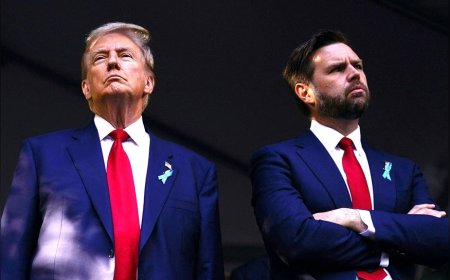
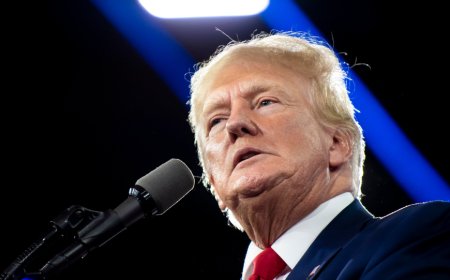
A frantic round of diplomacy involving Gulf allies, energy executives, Pentagon officials and senior White House advisers reportedly helped convince former U.S. President Donald Trump to abandon a controversial proposal to charge tolls on ships passing through the Strait of Hormuz. The intense 24-hour effort eased fears of a major disruption to global oil trade and helped calm energy markets.

Inside the 24-Hour Sprint That Convinced Trump to Drop His Strait of Hormuz Toll Plan
A behind-the-scenes diplomatic effort lasting less than 24 hours reportedly played a decisive role in persuading former U.S. President Donald Trump to abandon a controversial proposal to impose tolls on ships passing through the Strait of Hormuz. The proposal had sparked immediate concern among U.S. allies, military officials, global energy companies, and shipping operators, who feared it could disrupt one of the world's busiest and most strategically important maritime trade routes.
The Strait of Hormuz is often described as the world's most critical oil transit chokepoint. Situated between Oman and Iran, the narrow waterway connects the Persian Gulf to the Gulf of Oman and the Arabian Sea. Around one-fifth of the world's crude oil and a significant share of liquefied natural gas (LNG) exports pass through this route every day. Any disruption in the strait can have immediate consequences for global energy markets, shipping costs, and economic stability.
According to reports, Trump had been considering a proposal that would require commercial vessels using the Strait of Hormuz to pay a transit fee or security toll. Supporters of the idea argued that the United States had spent decades investing billions of dollars in naval operations to ensure freedom of navigation in the region. They believed countries benefiting from secure maritime routes should contribute financially toward maintaining that security.
However, the proposal quickly raised alarms among diplomats and policy experts. Many feared that introducing tolls in one of the world's most important international waterways could violate long-standing maritime principles, create diplomatic tensions, and encourage retaliation from regional powers. The possibility of increased shipping costs also worried oil-importing nations already dealing with volatile energy prices.
As news of the proposal spread, an intense diplomatic campaign reportedly began. Senior officials from Gulf nations immediately reached out to the White House and key members of the U.S. administration. Countries including Saudi Arabia, the United Arab Emirates, Kuwait, and Qatar rely heavily on the Strait of Hormuz to export oil and natural gas. Any additional cost or uncertainty affecting shipments could have significant economic consequences for these nations.
At the same time, executives from major energy companies and international shipping firms reportedly expressed serious concerns about the proposal. Industry experts warned that even a relatively small toll could increase transportation costs, insurance premiums, and freight charges. These additional expenses would likely be passed on to consumers worldwide through higher fuel prices and increased costs for goods transported by sea.
Inside Washington, senior White House advisers, Pentagon officials, State Department diplomats, and economic advisers reportedly engaged in urgent discussions throughout the day. Their objective was to assess the strategic, diplomatic, and economic consequences of implementing such a policy.
Military leaders were among the strongest voices opposing the proposal. The U.S. Navy has spent decades ensuring open access to international shipping lanes in the Gulf. Defense officials reportedly argued that introducing tolls could undermine the long-standing principle of freedom of navigation that the United States has consistently defended across the globe. They also warned that regional adversaries could portray the policy as an attempt by Washington to commercialize access to an international waterway, potentially increasing geopolitical tensions.
Diplomatic advisers highlighted another important concern: relations with America's Gulf allies. Many of these countries have long cooperated closely with the United States on regional security and counterterrorism efforts. Officials feared that imposing additional costs on their exports could damage trust and complicate future security cooperation.
Economic advisers also emphasized the potential market impact. Oil prices are highly sensitive to developments in the Strait of Hormuz. Even rumors of disruptions or political instability in the region often cause crude oil prices to rise sharply. A toll proposal affecting one of the world's busiest shipping lanes could have triggered immediate volatility in international energy markets, increased inflationary pressures, and affected economies far beyond the Middle East.
Reports suggest that advisers presented Trump with detailed assessments outlining the potential consequences of the proposal. These included higher global oil prices, increased transportation costs, strained diplomatic relations, legal questions under international maritime law, and possible retaliatory actions from countries opposed to the measure.
Following hours of meetings, briefings, and conversations with senior officials, Trump reportedly agreed to abandon the toll proposal. The decision was widely viewed as a victory for diplomacy and a step toward preserving stability in global energy markets.
The reported episode also highlighted how interconnected today's global economy has become. Decisions involving critical maritime routes can influence everything from fuel prices and airline costs to food transportation and manufacturing supply chains. Because millions of barrels of oil move through the Strait of Hormuz each day, even the possibility of policy changes affecting the route is enough to unsettle investors and commodity markets.
Energy analysts noted that avoiding additional uncertainty was particularly important given the broader geopolitical challenges already facing the Middle East. The region has witnessed repeated tensions involving Iran, regional security concerns, and attacks on commercial shipping in recent years. Introducing a new financial barrier for international shipping could have added another layer of complexity to an already fragile security environment.
The incident also demonstrates the influence of coordinated diplomacy. Governments, military officials, industry leaders, and policy advisers reportedly worked together within a remarkably short period to present a unified assessment of the proposal's risks. Their collective efforts appear to have convinced decision-makers that maintaining open access to the Strait of Hormuz was in the broader strategic interest of both the United States and its allies.
For the global shipping industry, the reported reversal brought immediate relief. Shipping companies had feared increased operational expenses, more complicated voyage planning, and higher insurance costs if tolls were introduced. Oil-importing countries also welcomed the decision, recognizing that uninterrupted maritime trade remains essential for maintaining stable energy supplies and controlling inflation.
Ultimately, the reported 24-hour sprint to persuade Donald Trump to drop the Strait of Hormuz toll plan serves as a powerful example of how diplomacy, economic considerations, military strategy, and international cooperation intersect in shaping global policy. It also reinforces the extraordinary strategic importance of the Strait of Hormuz, where even the discussion of policy changes can influence financial markets, diplomatic relations, and global energy security. While the proposal was ultimately shelved, the episode underscores how decisions affecting key maritime trade routes carry consequences that extend far beyond national borders, impacting governments, businesses, and consumers around the world.
What's Your Reaction?
Like
0
Dislike
0
Love
0
Funny
0
Angry
0
Sad
0
Wow
0