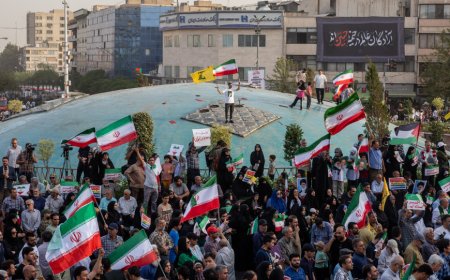
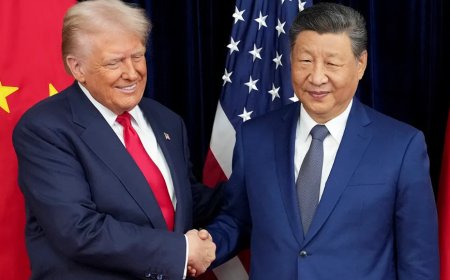
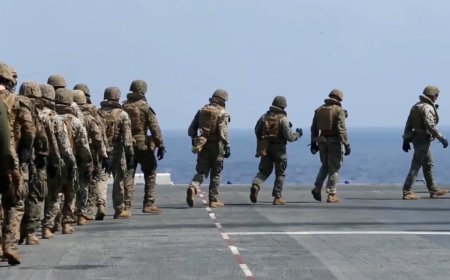
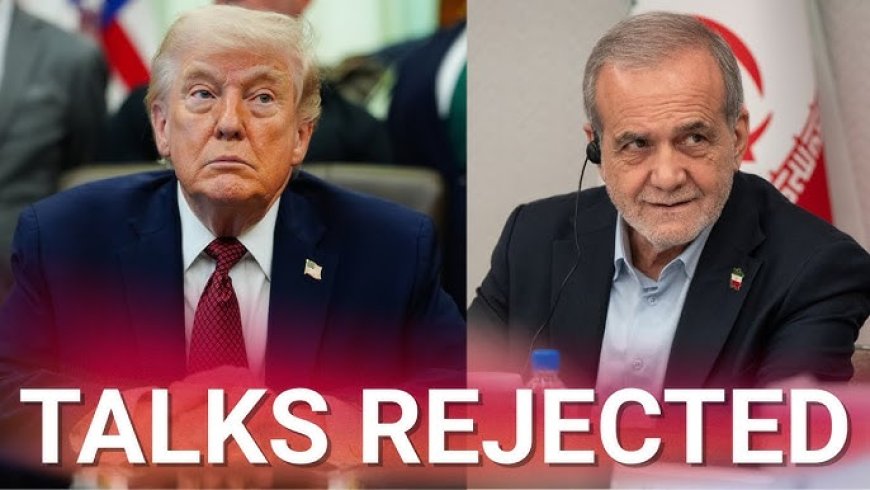
Rising tensions in the Middle East have once again drawn global attention after US President Donald Trump strongly criticized Iran’s latest response to an American-backed peace initiative, calling it “totally unacceptable.” The proposal was seen as a key diplomatic attempt to reduce ongoing hostilities and avoid a larger regional confrontation.
Reports suggest that Iran submitted its response through mediators from Pakistan, outlining several major demands before agreeing to broader negotiations. Tehran reportedly asked for the removal of economic sanctions, compensation for damages caused during the conflict, and assurances regarding its authority over the strategically important Strait of Hormuz. Iran also pushed for easing naval restrictions and restoring its oil export operations.
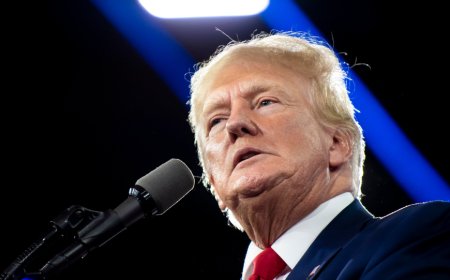
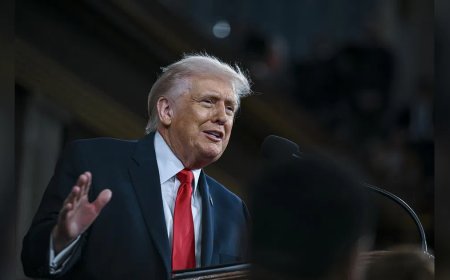
Trump responded firmly through social media, stating that Iran’s position failed to meet the expectations of the United States. According to officials in Washington, the counterproposal does not adequately address concerns related to Iran’s nuclear ambitions and its growing military presence across the region.
The sharp disagreement has created fresh uncertainty around ceasefire discussions that were expected to calm tensions in the Gulf. Experts warn that if diplomatic efforts collapse, the situation could seriously impact global energy markets, particularly because the Strait of Hormuz remains one of the world’s busiest oil transportation routes.
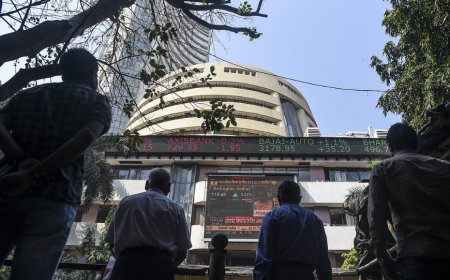
Financial markets reacted cautiously after Trump’s remarks became public. Oil prices witnessed a noticeable rise as investors worried about the possibility of prolonged instability in the Middle East. Analysts believe that continued tensions could eventually affect fuel prices globally and further strain international supply chains already facing economic pressure.
Despite the heated exchange, diplomatic communication between both sides has not completely stopped. Countries including Pakistan and Qatar are reportedly continuing efforts to mediate between Washington and Tehran in hopes of reviving negotiations. However, major differences remain over sanctions, military conditions, and nuclear-related restrictions.
The issue is also becoming politically sensitive within the United States. Rising fuel costs and concerns about deeper military involvement abroad are increasing pressure on the Trump administration ahead of upcoming national elections, making the crisis both an international and domestic challenge for the White House.































 Like
0
Like
0
 Dislike
0
Dislike
0
 Love
0
Love
0
 Funny
0
Funny
0
 Angry
0
Angry
0
 Sad
0
Sad
0
 Wow
0
Wow
0