




























Spain and France Brace for Fresh Heatwaves as Wildfire Threatens Bordeaux, Thousands on High Alert
A new wave of extreme heat is set to grip Spain and France as soaring temperatures fuel the spread of wildfires. Authorities have issued warnings, with a major blaze advancing near Bordeaux, forcing evacuations and raising concerns over worsening fire conditions.

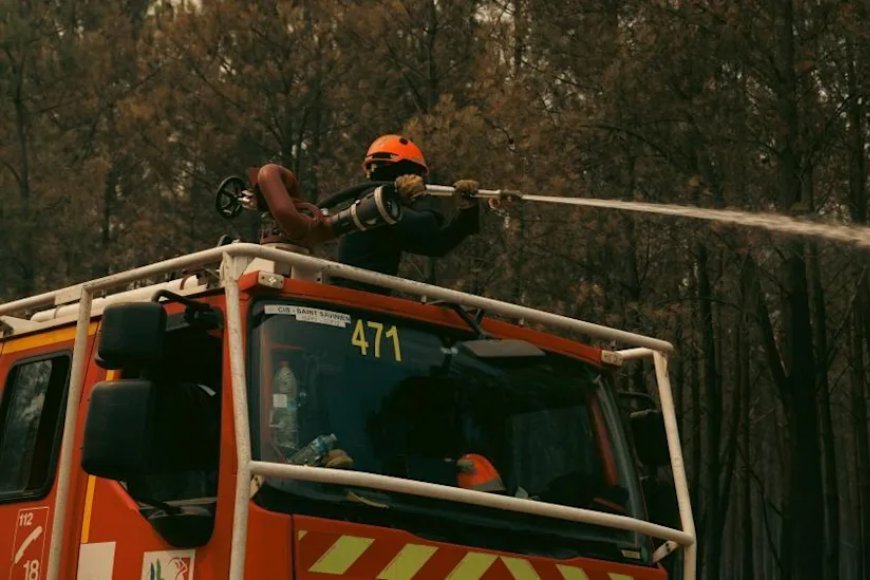
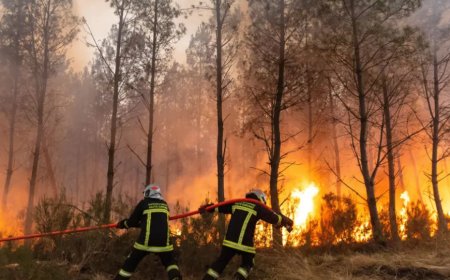
Spain and France are once again facing the growing threat of extreme heat and devastating wildfires, as meteorological agencies warn of another intense heatwave sweeping across southwestern Europe. Temperatures are expected to climb well above seasonal averages in several regions over the coming days, creating ideal conditions for fast-moving forest fires and placing emergency services on high alert. In France, the situation has become particularly alarming as a major wildfire continues to spread near Bordeaux, threatening nearby communities and forcing authorities to implement emergency evacuation measures. Firefighters are battling the blaze around the clock, while officials fear that strong winds, dry vegetation and record-breaking temperatures could further complicate containment efforts.
The wildfire near Bordeaux has already consumed vast stretches of forestland, sending thick smoke into the sky and disrupting daily life in surrounding areas. Local authorities have urged residents living close to the affected zones to remain alert and follow evacuation orders whenever necessary. Emergency shelters have been prepared for displaced families, while roads leading to vulnerable regions are being monitored to ensure public safety. Hundreds of firefighters, supported by water-dropping aircraft and specialised firefighting vehicles, have been deployed to prevent the flames from reaching residential areas. Officials say the combination of intense heat, low humidity and gusty winds has created one of the most dangerous fire environments of the summer season, making firefighting operations significantly more challenging.
Meanwhile, neighbouring Spain is preparing for another spell of scorching temperatures after already experiencing several episodes of extreme heat this year. Weather agencies have forecast temperatures exceeding 40 degrees Celsius in parts of southern and central Spain, with several provinces expected to remain under red or orange heat alerts. Authorities have advised residents to avoid unnecessary outdoor activities during the hottest hours of the day, stay hydrated and take precautions against heat-related illnesses. Hospitals and emergency medical services have also been instructed to remain prepared for a possible increase in cases of heat exhaustion, dehydration and other temperature-related health emergencies, particularly among elderly citizens, young children and people with pre-existing medical conditions.
Scientists and climate experts have repeatedly warned that Europe is experiencing more frequent and more intense heatwaves due to climate change. Rising global temperatures have increased the likelihood of prolonged periods of extreme heat, drying out forests and vegetation, which in turn allows wildfires to spread more rapidly. Southern European countries, including Spain, France, Italy, Greece and Portugal, have witnessed a growing number of large-scale wildfires in recent years, causing extensive environmental damage, destroying homes and forcing thousands of people to evacuate. Experts believe that unless greenhouse gas emissions are significantly reduced and climate adaptation measures are strengthened, such extreme weather events could become increasingly common in the coming decades.
The latest heatwave has also raised concerns over agriculture, water resources and energy demand across the region. Farmers in several parts of Spain and France are worried that prolonged high temperatures could damage crops, reduce yields and place additional pressure on already strained irrigation systems. Reservoir levels in some areas remain below normal following previous dry spells, increasing fears of water shortages if the current heat persists. At the same time, electricity demand is expected to surge as households and businesses rely heavily on air conditioning systems to cope with the soaring temperatures. Governments are closely monitoring the situation to ensure stable power supplies while encouraging the public to conserve energy wherever possible.
Health authorities across both countries have issued detailed advisories urging people to remain indoors during peak afternoon hours, drink plenty of fluids and regularly check on elderly relatives and neighbours who may be more vulnerable to heat-related complications. Schools, local administrations and community organisations have also been instructed to spread awareness about heat safety measures. Public cooling centres have been opened in some cities to provide temporary relief for residents who may not have access to adequate cooling facilities at home. Medical professionals have warned that prolonged exposure to extreme temperatures can lead to serious health risks, including heatstroke, dehydration and cardiovascular complications if proper precautions are not followed.
Environmental organisations have highlighted that the recurring heatwaves and wildfires serve as another reminder of the urgent need to strengthen climate resilience across Europe. Investments in forest management, wildfire prevention systems, early warning technologies and emergency response infrastructure are increasingly being viewed as essential to reducing the impact of such disasters. Governments are also being encouraged to accelerate efforts to transition towards cleaner energy sources and implement policies aimed at reducing carbon emissions, which scientists identify as a key driver of global warming and increasingly severe weather events.
As firefighters continue their battle against the advancing wildfire near Bordeaux and weather agencies forecast several more days of extreme heat, authorities remain on high alert across France and Spain. Emergency teams are closely monitoring weather conditions, while additional firefighting resources stand ready to respond if new blazes emerge. Residents have been urged to remain vigilant, avoid activities that could accidentally spark fires and strictly follow official safety instructions. With temperatures expected to remain dangerously high, the coming days will be critical in determining whether emergency services can successfully contain the wildfire and minimise further damage. The unfolding situation once again highlights the growing challenge posed by climate-driven extreme weather events across Europe and the increasing need for coordinated action to protect lives, property and the environment.
What's Your Reaction?
 Like
0
Like
0
 Dislike
0
Dislike
0
 Love
0
Love
0
 Funny
0
Funny
0
 Angry
0
Angry
0
 Sad
0
Sad
0
 Wow
0
Wow
0