






























Trump Seeks $87.6 Billion Emergency Funding, Majority Earmarked for Iran Military Operations
The Trump administration has asked Congress to approve an $87.6 billion emergency spending package, with the majority of the funding intended to cover military operations linked to the Iran conflict. The proposal also includes support for farmers, public health initiatives, and infrastructure projects, setting up a major political battle on Capitol Hill.

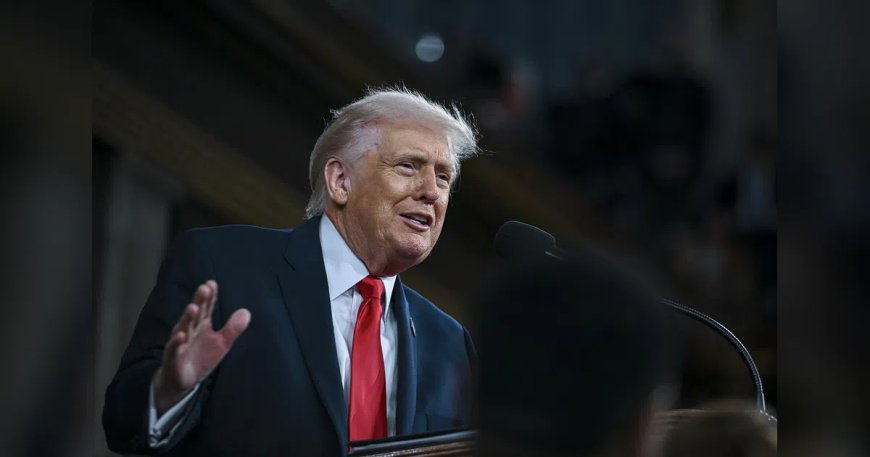
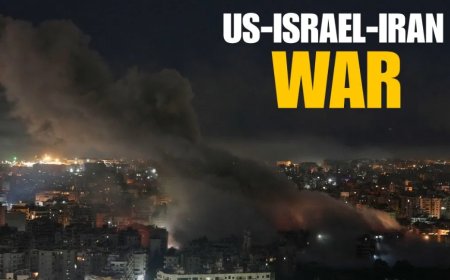
The Trump administration has formally requested $87.6 billion in supplemental federal funding from Congress, with the largest share designated for military operations and defense requirements associated with the escalating conflict involving Iran.
The funding request, submitted to lawmakers this week, highlights what the White House describes as "urgent national security needs" and underscores the growing financial burden of maintaining military readiness amid heightened tensions in the Middle East.
If approved, the package would represent one of the largest emergency spending requests of President Donald Trump's current term and could reignite debates over war powers, federal spending, and America's role in overseas conflicts.
Majority of Funding Directed Toward Defense
According to administration officials, approximately $67 billion of the proposed package would be allocated to the Pentagon and related defense operations.
The funding is expected to cover:
- Military operations linked to the Iran conflict
- Replacement of weapons and ammunition stocks
- Deployment and support of U.S. forces in strategic regions
- Advanced defense systems and classified security programs
- Logistics, intelligence, surveillance, and operational readiness
Officials argue that recent military actions and elevated regional threats have significantly increased defense expenditures, requiring immediate congressional approval to sustain operations.
Iran Conflict at the Center of the Request
The supplemental budget request comes amid ongoing tensions between the United States and Iran, which have intensified concerns over regional stability in the Middle East.
The administration has maintained that additional resources are necessary to protect American personnel, allies, and strategic interests. White House officials say the funding will ensure that the U.S. military remains prepared for any further escalation.
Critics, however, question whether the administration is moving the country toward a deeper and more expensive military engagement without sufficient congressional oversight.
Beyond Defense: Farmers, Health and Infrastructure
While defense spending accounts for the majority of the proposal, the package also includes funding for several domestic priorities.
Among them are:
- Financial assistance for American farmers facing economic pressures
- Public health funding to address emerging disease threats, including Ebola outbreaks abroad
- Infrastructure investments, including transportation and modernization projects
Administration officials argue that combining these measures into a single emergency package addresses multiple urgent national priorities simultaneously.
Political Battle Expected on Capitol Hill
The request is expected to face intense scrutiny in both the House of Representatives and the Senate.
Democratic lawmakers have already signaled concerns about the scale of military spending and the administration's Iran strategy. Some Republicans have also expressed reservations regarding the long-term costs of expanded military operations.
Several members of Congress have emphasized that any significant military escalation should involve broader legislative consultation and oversight.
As budget committees begin reviewing the proposal, lawmakers are expected to debate whether the administration has adequately justified the funding levels and the scope of planned military activities.
Economic and Strategic Implications
The proposed spending package arrives at a time when concerns over the federal deficit and government borrowing remain prominent political issues.
Supporters argue that national security threats require immediate action and that failing to provide resources could weaken U.S. military readiness.
Opponents contend that Congress must carefully evaluate both the financial and geopolitical consequences of increased military spending, particularly if tensions with Iran continue to escalate.
The coming weeks are likely to determine whether the administration can secure enough bipartisan support to advance the package through Congress.
What Happens Next?
The supplemental funding request will now be reviewed by congressional appropriations committees before moving to floor debates in the House and Senate.
Lawmakers may seek amendments, reduce funding levels, or attach additional oversight provisions before any final vote takes place.
The outcome will not only shape U.S. defense policy in the Middle East but could also influence broader discussions about federal spending, foreign policy, and presidential authority during times of international crisis.
What's Your Reaction?
 Like
0
Like
0
 Dislike
0
Dislike
0
 Love
0
Love
0
 Funny
0
Funny
0
 Angry
0
Angry
0
 Sad
0
Sad
0
 Wow
0
Wow
0