India Hosts Key QUAD Meeting Today, Focus on Hormuz Tensions and Indo-Pacific Security
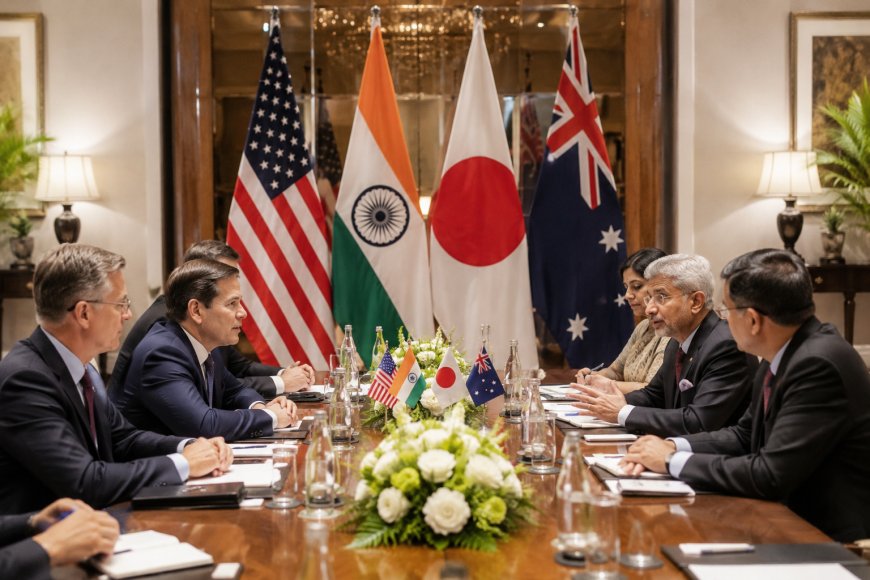
India is hosting a crucial QUAD foreign ministers’ meeting in New Delhi today, bringing together representatives from India, the United States, Japan, and Australia. The high-level talks are expected to focus on rising tensions in the Strait of Hormuz, Indo-Pacific security, maritime trade routes, China’s growing regional influence, supply chain resilience, and critical mineral cooperation. External Affairs Minister S. Jaishankar will meet US Secretary of State Marco Rubio along with senior officials from Japan and Australia to strengthen the QUAD’s “Free and Open Indo-Pacific” strategy amid increasing geopolitical tensions.
India is set to host a crucial meeting of QUAD foreign ministers in New Delhi on Tuesday, as growing tensions in the Middle East and concerns over maritime security push the Indo-Pacific alliance into sharper global focus.
The meeting will bring together India’s External Affairs Minister S. Jaishankar, US Secretary of State Marco Rubio, along with senior representatives from Japan and Australia. Officials say the talks are expected to focus heavily on the Strait of Hormuz crisis, regional security, supply-chain resilience, and China’s increasing assertiveness in the Indo-Pacific.
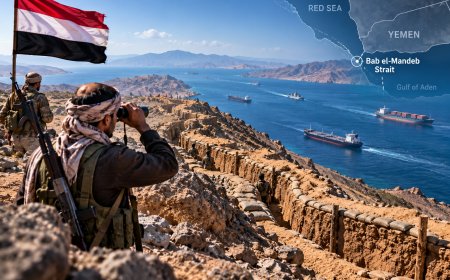
The gathering comes at a time of heightened geopolitical uncertainty following fresh US military strikes on Iranian targets and fears that instability around the Strait of Hormuz could disrupt global energy supplies. Nearly one-fifth of the world’s oil passes through the narrow waterway, making it one of the most strategically important maritime routes in the world.
Diplomatic sources familiar with the discussions say the QUAD members are likely to emphasise the need for “freedom of navigation” and uninterrupted global trade routes. The issue has gained urgency after repeated warnings from Tehran over potential disruptions in the Gulf region amid escalating tensions with Washington.
For India, the stakes are particularly high. The country imports a large portion of its crude oil through routes connected to the Gulf, making any instability in the Hormuz region a direct concern for its energy security and economy.
Apart from the Middle East crisis, the ministers are also expected to discuss developments in the South China Sea, where tensions involving China and several neighbouring countries have continued to rise. Western officials have repeatedly accused Beijing of using aggressive tactics to expand its strategic influence across the Indo-Pacific, allegations China denies.
Analysts say the meeting reflects the QUAD’s growing role beyond its original strategic framework. Initially revived as a platform for cooperation after the 2004 Indian Ocean tsunami, the grouping has evolved into a broader alliance focusing on security, technology, critical minerals, cyber cooperation, and resilient supply chains.
In recent years, QUAD nations have also expanded cooperation in emerging technologies such as semiconductors, artificial intelligence, and clean energy infrastructure. Tuesday’s meeting is expected to build on those discussions, with officials looking to reduce dependence on single-country supply networks amid continuing global disruptions.
The talks in New Delhi are also being closely watched in Beijing, where Chinese officials have frequently criticised the QUAD as an attempt to contain China’s rise in Asia. QUAD members, however, insist that the grouping is not directed against any single country and is aimed at maintaining a “free, open and inclusive Indo-Pacific”.
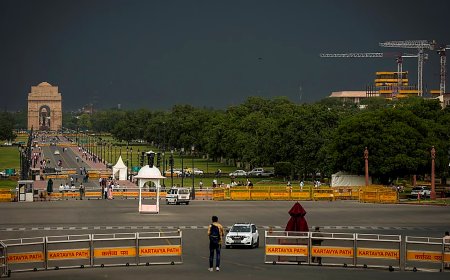
Security around the venue in the Indian capital has been tightened ahead of the high-level diplomatic engagement. Officials say no joint military announcement is expected, but a strong statement on maritime stability and regional cooperation could emerge after the meeting.
The outcome of the discussions may also shape the agenda for the next QUAD leaders’ summit later this year, where broader strategic coordination among the four democracies is expected to take centre stage.
















 Like
0
Like
0
 Dislike
0
Dislike
0
 Love
0
Love
0
 Funny
0
Funny
0
 Angry
0
Angry
0
 Sad
0
Sad
0
 Wow
0
Wow
0