

































Strait of Hormuz on Edge: Commercial Ships Halt Transit as Overnight US-Iran Strikes Trigger Global Oil Supply Fears
Fresh overnight military strikes between the United States and Iran have severely disrupted shipping through the Strait of Hormuz, one of the world's most critical energy corridors. Commercial vessels are delaying or avoiding transit due to growing security concerns, raising fears of oil supply disruptions and renewed volatility in global energy markets.

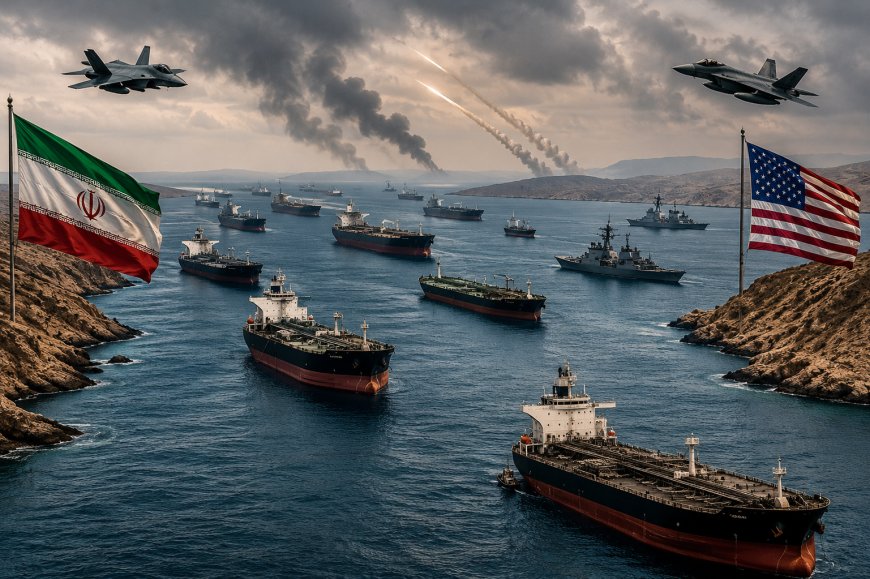
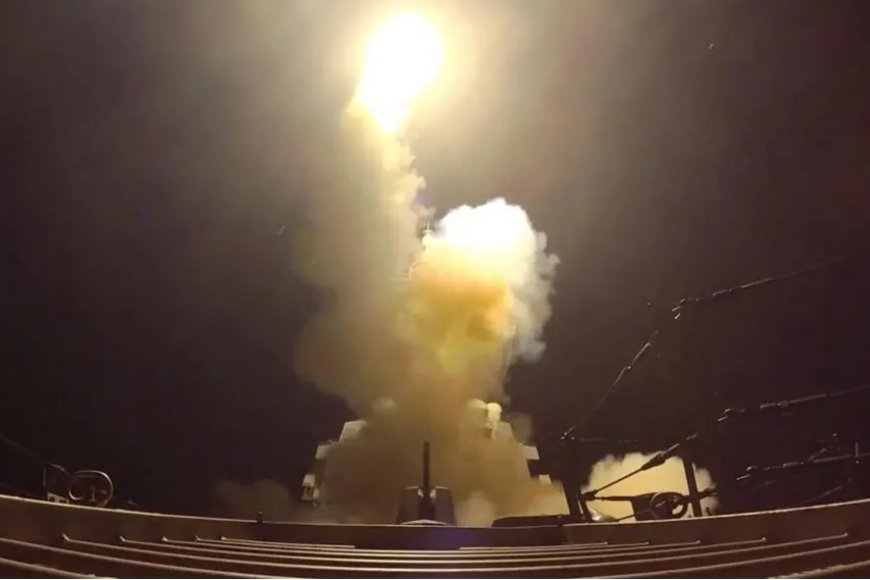
The Strait of Hormuz, one of the world's most strategically important maritime chokepoints, has once again become the focal point of global concern following a fresh exchange of overnight military strikes between the United States and Iran. The renewed escalation has prompted several commercial shipping companies to suspend or delay vessel movements through the narrow waterway, raising fears of a potential disruption to global oil supplies and triggering renewed volatility across international energy markets.
The latest escalation comes after both Washington and Tehran exchanged military strikes overnight, significantly increasing security risks across the Persian Gulf region. While military tensions between the two countries have periodically flared over the past several years, the recent developments have heightened concerns that commercial shipping could become caught in the crossfire. Shipping operators are now reassessing routes, delaying departures, and increasing security measures before allowing vessels to enter the Strait of Hormuz.
The Strait of Hormuz holds extraordinary importance for the global economy. Located between Iran and Oman, the narrow waterway connects the Persian Gulf with the Gulf of Oman and the Arabian Sea. Every day, nearly one-fifth of the world's crude oil exports and a substantial share of global liquefied natural gas (LNG) shipments pass through this strategic corridor. Major oil-exporting countries including Saudi Arabia, Iraq, Kuwait, the United Arab Emirates, and Qatar depend heavily on this maritime route to supply international markets.
Even temporary disruptions in shipping activity through the Strait can have immediate consequences for global commodity markets. Energy traders closely monitor every development in the region because any reduction in oil exports could tighten global supplies and push crude oil prices significantly higher. Rising energy costs typically translate into higher transportation expenses, increased manufacturing costs, and elevated inflation worldwide.
According to shipping industry reports, commercial vessel traffic through the Strait has fallen sharply following the overnight strikes. Some oil tankers have reportedly chosen to wait outside the Gulf until security conditions improve, while others are moving with increased caution under enhanced naval monitoring. Marine insurers are also reviewing risk assessments, and war-risk insurance premiums for ships operating in the region may rise if tensions continue to escalate.
Financial markets reacted cautiously to the developments. Global investors generally view geopolitical conflicts in the Middle East as significant risk events because of the region's central role in global energy production. Oil prices often rise sharply whenever shipping through the Strait of Hormuz faces uncertainty. Higher crude prices can negatively affect importing countries by increasing fuel costs, raising inflation, and putting pressure on central banks to maintain tighter monetary policies.
For countries like India, China, Japan, and South Korea, developments in the Strait of Hormuz are particularly significant. These major Asian economies import a large portion of their crude oil from Gulf nations. Any prolonged disruption in shipping could increase import bills, weaken local currencies, and place additional pressure on domestic fuel prices. Governments in these countries typically monitor the region closely and maintain strategic petroleum reserves to manage temporary supply disruptions.
Shipping companies are also facing difficult operational decisions. Longer alternative routes around Africa are significantly more expensive and time-consuming than passing through the Strait of Hormuz. Delays increase fuel consumption, crew costs, insurance expenses, and delivery times, ultimately affecting global supply chains. Energy companies and commodity traders are therefore hoping that diplomatic efforts will prevent further military escalation.
Military analysts note that while the Strait of Hormuz has remained open during previous periods of tension, repeated confrontations between the United States and Iran increase the possibility of accidental incidents involving commercial vessels. Naval forces from multiple countries continue to patrol the region to safeguard international shipping and ensure freedom of navigation. However, shipping companies often remain cautious whenever military activity intensifies nearby.
The renewed tensions have also drawn international diplomatic attention. Several governments have urged both Washington and Tehran to exercise restraint and avoid actions that could further destabilize the Middle East. International organizations have emphasized the importance of maintaining uninterrupted maritime trade because disruptions would affect not only regional economies but also global energy security.
Experts believe that the coming days will be critical. If military activity subsides and commercial shipping resumes normal operations, energy markets could stabilize relatively quickly. However, if further attacks occur or if shipping companies continue suspending operations, oil prices may remain elevated for an extended period. Such a scenario could complicate efforts by central banks worldwide to control inflation while supporting economic growth.
Apart from oil, disruptions in the Strait could also impact global liquefied natural gas (LNG) markets. Qatar, one of the world's largest LNG exporters, relies heavily on the Strait of Hormuz for exports to Europe and Asia. Any interruption in LNG shipments could tighten global gas supplies, particularly during periods of strong seasonal demand.
Despite heightened tensions, analysts caution against assuming that the Strait will necessarily be closed. Historically, even during periods of severe geopolitical confrontation, all parties have recognized the enormous economic consequences of blocking one of the world's busiest maritime trade routes. Nevertheless, markets tend to react immediately to uncertainty, often well before any actual disruption to supplies occurs.
For investors, economists recommend closely monitoring geopolitical developments, crude oil prices, shipping data, and official government statements. Energy-sensitive sectors such as aviation, transportation, chemicals, and manufacturing could experience increased volatility if fuel prices continue rising. Conversely, oil-producing companies and energy exporters may benefit from higher global crude prices.
The current situation serves as another reminder of how interconnected the global economy has become. A military confrontation in one strategic region can rapidly influence fuel prices, inflation, stock markets, shipping costs, and economic growth across continents. As governments work diplomatically to prevent further escalation, businesses and investors worldwide remain focused on developments in the Strait of Hormuz.
With commercial shipping slowing, military tensions rising, and global energy markets on alert, the Strait of Hormuz once again stands at the center of one of the world's most closely watched geopolitical flashpoints. Whether the current disruption proves temporary or develops into a prolonged crisis will likely shape global economic sentiment in the weeks ahead.
What's Your Reaction?
 Like
0
Like
0
 Dislike
0
Dislike
0
 Love
0
Love
0
 Funny
0
Funny
0
 Angry
0
Angry
0
 Sad
0
Sad
0
 Wow
0
Wow
0