



























US-Iran Conflict Escalates After Trump Declares Ceasefire ‘Over’; Sensex Crashes 1,680 Points in Global Market Rout
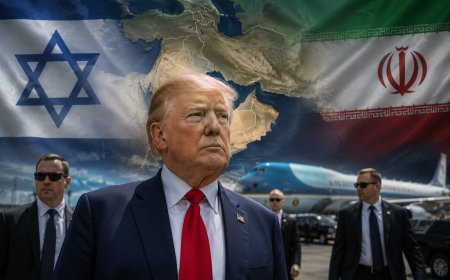
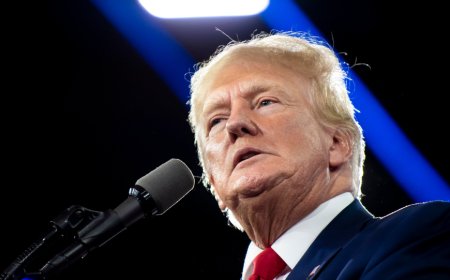
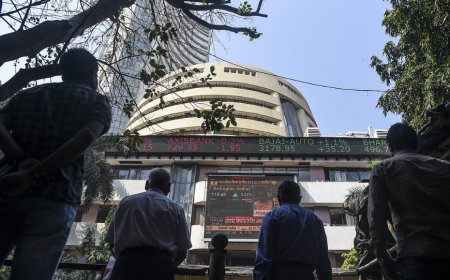
Donald Trump’s declaration that the US-Iran ceasefire is "over" has reignited fears of a wider Middle East war, triggering a sharp sell-off across global markets. Indian equities suffered one of their biggest single-day declines in recent months, with the Sensex plunging 1,680 points and investors losing nearly ₹9 lakh crore amid soaring crude oil prices and rising geopolitical tensions.

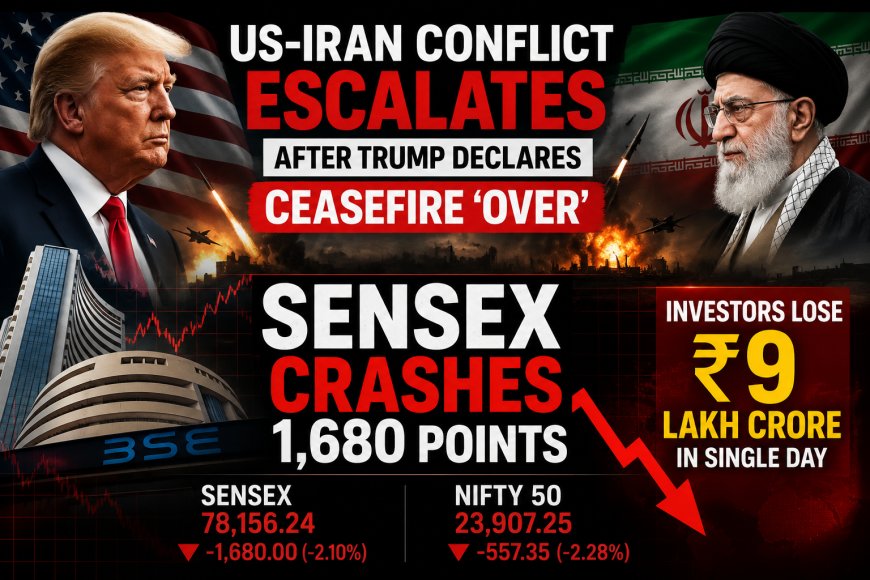
Fresh fears of a full-scale conflict in the Middle East rattled global financial markets after US President Donald Trump announced that the ceasefire with Iran was effectively "over." The statement followed a night of intensified military action, with both the United States and Iran launching fresh strikes against each other's military assets, raising concerns that diplomacy has given way to a dangerous new phase of confrontation.
The renewed hostilities sent shockwaves through international markets. Investors rushed to dump equities and move towards safe-haven assets such as gold and the US dollar, while crude oil prices surged sharply amid fears of supply disruptions in the Gulf region.
India was among the worst-hit major markets. The BSE Sensex plunged 1,680 points, while the Nifty slipped below the 24,000 mark, erasing nearly ₹9 lakh crore in investor wealth during a single trading session. Banking, automobile, aviation, and oil marketing stocks witnessed heavy selling pressure as investors priced in the possibility of higher fuel costs and slower economic growth.
The market reaction was largely driven by concerns surrounding the Strait of Hormuz, through which nearly one-fifth of the world's crude oil passes every day. Any disruption to shipping in the strategically important waterway could significantly increase global oil prices. Brent crude jumped more than 6%, raising fears of imported inflation for countries like India that rely heavily on crude oil imports.
Foreign Institutional Investors (FIIs) also accelerated their selling as geopolitical uncertainty intensified. Analysts noted that global funds typically reduce exposure to emerging markets during periods of military conflict, preferring safer investments until the situation becomes clearer.
The conflict has also sparked concerns over global trade routes, shipping insurance costs, aviation fuel prices, and inflationary pressures. Economists warn that if military operations continue or expand, central banks around the world—including the Reserve Bank of India—may face renewed challenges in balancing inflation control with economic growth.
Defence and energy-related companies were among the few sectors to remain resilient as expectations of increased military spending and elevated oil prices supported investor interest. However, broader market sentiment remained deeply negative, with volatility expected to persist as long as tensions continue.
Global leaders have urged restraint and called for renewed diplomatic engagement, but markets remain focused on the risk of further military escalation. Investors are expected to closely monitor developments in the Middle East, movements in crude oil prices, and any signs of fresh negotiations between Washington and Tehran.
For India, the stakes are particularly high. Rising crude prices could widen the country's import bill, weaken the rupee, increase inflationary pressures, and impact corporate earnings, making geopolitical developments a key driver of market sentiment in the coming weeks.
What's Your Reaction?
 Like
0
Like
0
 Dislike
0
Dislike
0
 Love
0
Love
0
 Funny
0
Funny
0
 Angry
0
Angry
0
 Sad
0
Sad
0
 Wow
0
Wow
0